Brooks Glycerin 23
Women's
Shoes
price:$174.99
Free returns and exchanges for 30 days Return Policy
















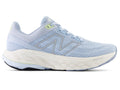
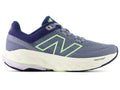

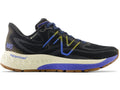


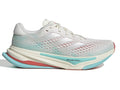


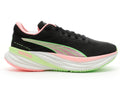
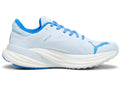
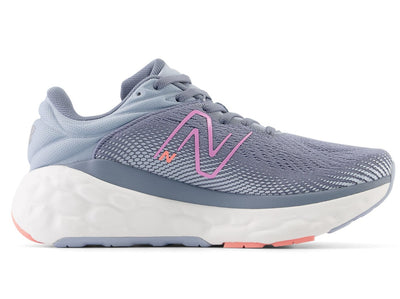

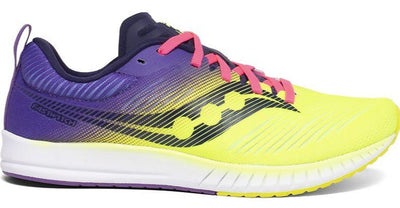












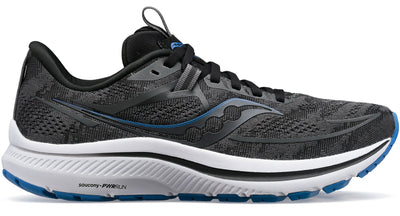















Shoe and Gear Reviews
Shoe and Gear Reviews

Shoe and Gear Reviews
Shoe and Gear Reviews
The best walking shoes for women should feel comfortable from the first step and provide the right combination of cushioning and support for your routine. Your ideal pair depends on how you move, where you walk, and how much time you spend on your feet.
At Marathon Sports, our selection of walking whoes includes options designed for daily walks, fitness routines, travel, and everyday wear. While there will be some individual features to consider, pay attention to how the shoe fits your foot and feels throughout the gait cycle.
Comfort is a priority, but walking shoes for women should also complement your natural movement. Look for cushioning that feels comfortable underfoot, offers enough room for your toes, and creates a secure fit through the heel and midfoot.
Support and stability needs also differ from person to person. Marathon Sports’ Right Fit (Shoe Fitting Guide) process takes your goals, routines, and movement into account. In-store, our team uses visual gait analysis and curated shoe selections to help narrow down options that suit your body and movement.
For everyday wear, women’s walking shoes should provide lasting comfort without feeling cumbersome. Cushioned midsoles can help soften repeated impact, while breathable uppers can keep your feet more comfortable during longer periods of wear.
Our collection of women’s walking shoes gives you options for neighborhood walks, errands, commuting, and other daily activities. Pay attention to how each pair feels while walking, especially through the heel-to-toe transition.
Long walks place repeated demands on your feet, so support, cushioning, and fit become especially important. A secure heel and comfortable midfoot can help the shoe stay properly positioned as you move, while enough room in the toe box ensures your feet have room to swell during long hours on your feet.
While some walkers will prefer more cushioning for long walks, your preferred cushioning level is entirely personal. Some walkers enjoy a softer, more cushioned feel, while others prefer a firmer platform and lower stack height. Trying different designs can help you determine what feels natural for your stride and intended mileage.
A good fit should give your toes room to move without allowing your foot to slide around inside the shoe. Consider your foot shape, walking habits, and typical surfaces when comparing pairs. Many people wonder if there’s any difference between shoes made for walking and running. While different features may come into play, high-quality sneakers are suited to provide you with the cushioning, support, and comfort you need for both walking and running. You can explore our collection of women’s shoes to compare all your walking footwear options. In-store fitting can further refine your selection based on your gait, comfort, and individual movement.
The right women’s walking shoes should suit both your feet and your routine. Marathon Sports has served runners, walkers, and fitness enthusiasts since 1975, and our in-store fitting approach helps customers find gear based on how they move. With locations throughout New England, you can visit us to compare options and find a pair suited to your walking goals.
Replacement timing depends on walking frequency, mileage, surfaces, and visible wear. Pay attention to changes in traction, cushioning, outsole wear, and overall comfort rather than relying only on how long you have owned the shoes.
Yes. Many walking shoes work well for everyday activities such as commuting, errands, travel, and casual outings. Choosing a pair suited to your typical activity level can make them more practical for frequent use.
In general, running shoes are designed to meet the demands of any forward movement, including walking or running. Everyday running shoes will also offer a comfortable option for walkers, although the specific model will depend on individual preference.
While most running shoes are ideal for both walking and running, walkers may want to avoid dedicated race or speed shoes, which can feel unstable or unnatural while walking and will wear down faster than everyday walking shoes.
Not necessarily. A lightweight design may feel less cumbersome, but weight alone does not determine how suitable a shoe is. Consider the complete design and how the shoe feels during your normal walking routine. A stability shoe may be heavier than lighterweight counterparts, but can offer more support and protection for those who need a more supportive, heavy-duty walking shoe.
Different surfaces can call for different footwear characteristics. Smooth pavement generally does not require the same outsole traction and protection that uneven or loose trail surfaces may demand.
Walking shoes can also be suitable for jobs or activities that involve extended periods of standing. The best option depends on your workplace, the surfaces underfoot, and your personal preferences throughout the day.
Yes. Try shoes with the type of socks you normally plan to wear while walking. Sock thickness can affect how a shoe feels and how much space you have inside it.
Trying shoes later in the day can be useful because feet may change slightly in size after hours of standing and activity. This can give you a better idea of how a pair might feel after spending more time on your feet.
Yes. Walking shoes can be used for treadmill workouts as long as the pair feels appropriate for your stride and workout. Regular treadmill walkers may want footwear specifically reserved for indoor exercise to reduce outdoor dirt and outsole wear.
Price alone does not determine how well a walking shoe will work for you. Construction, materials, intended use, and personal preferences all matter, so a higher price does not automatically mean a better individual match.