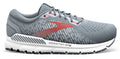
Brooks Glycerin 23
Women's
Shoes
price:$174.99
Free returns and exchanges for 30 days Return Policy




Shoe and Gear Reviews
Shoe and Gear Reviews
Shoe and Gear Reviews
Shoe and Gear Reviews
The best running shoes combine a comfortable fit with the right balance of cushioning and support for the way you move. Foot shape, gait, training habits, running goals, and preferred feel underfoot can all influence which pair works well for you.
Some runners prefer softer cushioning for daily mileage and longer runs, while others may favor a firmer, more responsive ride for faster workouts. The surfaces you regularly run on and the distances you cover can also help guide your choice.
Our collection of running shoes includes options for different types of runs, training routines, and personal preferences. Rather than choosing based on one feature alone, pay attention to how the entire shoe feels throughout your stride. Comparing factors such as cushioning, support, fit, and responsiveness can help you narrow down the options and find a pair that feels natural during your runs.
Good running shoes should match your routine, natural movement, and preferences. Consider your typical mileage, the surfaces you run on, your training goals, and the level of cushioning or support you prefer. A shoe that works well for short daily runs may feel different from one designed for longer distances or more demanding training sessions, so it helps to consider how the shoe will fit into your regular routine.
Fit also deserves careful attention. The Right Fit shoe fitting guide explains our process for evaluating your goals and routines along with gait, alignment, rotation, and pronation. These details help our team narrow down footwear choices based on how you move. From there, selections can be fine-tuned for fit, comfort, and performance, helping you find running shoes that feel natural and suit your individual movement.
For regular training, look for running shoes that balance comfort, cushioning, support, and durability. An everyday shoe should feel comfortable at your usual pace while providing the support you need across your typical mileage. Since training routines can include everything from short recovery runs to longer sessions, choosing a versatile pair can help you stay comfortable across different workouts.
Our selection of men’s shoes and women’s shoes includes options for daily runs, workouts, walking, and other activities. Comparing different cushioning levels, fits, and overall ride can help narrow your choices based on how you plan to use your shoes. Consider your usual distance, training frequency, and preferred feel underfoot as you compare options.
Running shoes can feel very different depending on their cushioning, support, weight, and construction. Cushioned models can provide a softer feel underfoot, which may suit runners who prioritize comfort during daily training or longer distances. Lightweight options may appeal to runners who prefer a more responsive feel, particularly during faster workouts.
Runners who overpronate may also benefit from stability shoes, which provide additional structure and support. Taking the time to try different options can make it easier to find a pair that complements your stride and feels comfortable throughout your runs.
A proper fit can make a significant difference in how running shoes feel during training. Marathon Sports developed The Right Fit™ process around biomechanical gait analysis to help match footwear to the way each person moves. In-store, the process begins with a consultation about your goals, routines, and current gear. From there, a team member conducts a visual gait analysis and 3D scan, starting barefoot to observe factors such as alignment, rotation, and pronation. These observations help narrow down shoes and insoles that suit your individual movement.
The selection is then fine-tuned based on your gait, preferences, and running goals.. Depending on your needs, the team may also recommend additional gear that supports your running routine. With options suited to different running styles, distances, and preferences, the Right Fit™ process provides a more personalized way to find running shoes that feel natural and comfortable as you move.
Replacement timing varies based on mileage, running surface, shoe construction, and wear patterns. Check the outsole, cushioning, and overall feel regularly rather than relying only on a fixed mileage number.
Many running shoes can also work well for walking if they provide a comfortable fit and suitable support. Your preferred cushioning and intended use should guide your choice.
Not necessarily. Running shoes should provide enough room for your toes without allowing excessive movement inside the shoe. While this is typically about half to a full size larger than your regular shoes, exact sizing will vary between brands and models.
A well-fitting pair should generally feel comfortable when you first try it on. Some materials may soften slightly with wear, but significant discomfort should not be treated as a normal break-in process.
Running shoes can work for treadmill sessions and general cardio. Activities involving heavy lifting or frequent lateral movement may call for footwear designed specifically for those movements.
Yes. Road, track, treadmill, and trail running place different demands on footwear. Surface conditions can influence the traction, cushioning, and outsole design that may suit your runs.
Yes. Some runners rotate pairs based on their workouts, using different shoes for easy runs, longer distances, or faster training sessions.
Price alone does not determine how suitable a running shoe will be for you. Fit, comfort, intended use, and support level are more useful considerations.
Running-specific socks made with moisture-managing materials can help keep your feet comfortable. Sock thickness can also affect how your shoes fit, so try shoes with the type of socks you normally wear for running.
Running shoes should feel secure without uncomfortable pressure or excessive slipping. There should also be adequate space around the toes to accommodate natural movement during a run.