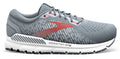
Brooks Glycerin 23
Men's
Shoes
price:$174.99
Free returns and exchanges for 30 days Return Policy





Shoe and Gear Reviews
Shoe and Gear Reviews

Shoe and Gear Reviews
Shoe and Gear Reviews
Choosing the best road running shoes depends on your running routine, how your body moves, and what feels comfortable underfoot. Road shoes are generally intended for pavement and other firm, relatively even surfaces, but individual models can feel very different. Some runners prefer a softer, more cushioned ride, while others like a firmer or more responsive feel.
Start by thinking about how you plan to use your shoes. Daily mileage, long runs, speed sessions, and racing can each place different demands on your footwear. Your weekly mileage and previous experience with running shoes can also help narrow down your options. If a current pair feels comfortable and supports your routine well, those characteristics can provide a useful starting point when shopping for a replacement.
Fit deserves just as much attention as features. At Marathon Sports, The Right Fit process begins with learning about your goals, routines, and current gear. Footwear experts then perform a visual gait analysis, beginning barefoot to observe factors such as alignment, rotation, and pronation, and learn more about your feet and measurements from the 3D Aetrex scanner. From there, they can curate footwear and insoles based on your movement, fit, comfort, and performance needs.
Road running shoes should suit the type of running you do most often. For many runners, everyday base miles make up a large portion of weekly mileage. If that’s the case, comfort, cushioning, durability, and fit are all important to consider when comparing options.
Cushioning can affect how a shoe feels throughout a run. Some runners enjoy a plush sensation for easy and recovery miles, while others prefer a more balanced or responsive platform. There is no universal amount of cushioning that works for everyone. The best choice is one that feels natural for your stride and comfortable during the distances you typically cover.
The upper also plays an important role in everyday comfort. Look for a secure fit that holds your foot in place without creating unwanted pressure. There should also be enough room for your toes to move comfortably. Heel fit, overall shoe volume, and width can influence how secure a shoe feels as your mileage increases.
You can explore different categories when browsing our complete selection of running shoes to find options that align with your routine and preferences.
Finding the right fit for long-distance runs can be even more important. When you’re on your feet for longer, issues with cushioning, fit, or comfort become even more noticeable. Some runners prefer softer cushioning for easy miles and a more responsive feel for faster long runs, but the shoe should remain comfortable and stable throughout the run.
Marathon Sports carries Road Running Shoes from a range of brands, giving you options for different levels of cushioning, support, and ride. Focus on how each shoe feels and how well it matches your training.
Speed workouts and races may call for lighter, more responsive road running shoes that complement your pace and distance. Shorter races may favor a quicker feel, while longer distances can make sustained comfort more important.
Try your race shoes during training before event day. Running in them at your planned pace helps you evaluate their fit, comfort, and responsiveness before using them for a more demanding race day effort.
Finding the right road running shoes comes down to fit, running gait, and training needs. Width, heel security, toe room, and cushioning can all affect how a shoe feels.
Our selection of men’s road running shoes and women’s road running shoes includes options for daily miles, faster workouts, and long runs.
Our Right Fit™ process uses consultation, visual gait analysis, and curated selections to help match footwear to how you move. Comparing a few options can help you find road running shoes that feel comfortable and suit your training.
Replacement timing varies based on mileage, running style, shoe construction, and visible wear. While the general rule of thumb is 300-500 miles, pay attention to changes in comfort, worn-out sole areas, compressed cushioning, or damage to the upper rather than relying only on a specific mileage number.
Yes. Road running shoes can generally be used for treadmill running because both involve relatively smooth, predictable surfaces. Your preferred cushioning and fit can help determine which pair feels best indoors.
Yes. Many road running shoes can also be comfortable for walking. Individual preferences still matter, particularly for cushioning, support, width, and overall fit.
Road running shoes may handle occasional smooth, maintained paths, but they typically lack the outsole traction and protection associated with dedicated trail shoes. Technical, rocky, muddy, or uneven terrain may call for trail-specific footwear.
Most road runners do not necessarily need waterproof shoes. Waterproof construction can be useful in wet conditions, but runners should also consider breathability, climate, and the conditions in which they typically train.
A road running shoe should provide enough room for your toes to sit comfortably without feeling cramped. Your foot should remain secure elsewhere in the shoe so that additional toe room does not cause excessive movement. You should typically aim for about half to a full thumbnail of space at the end of your shoes.
Care recommendations vary by manufacturer and shoe model. Check the manufacturer’s instructions before cleaning your shoes. Gentle hand cleaning is often an option when you want to remove dirt without exposing footwear to a full machine-wash cycle.
Yes. Sock thickness and construction can change how much room you have inside a running shoe. Trying shoes with the type of running socks you normally wear can provide a more representative sense of fit.
It depends on the activity. Road running shoes can work for treadmill sessions and some general workouts, but highly cushioned running shoes may feel less suitable for exercises that require a firm, stable base.
It can be helpful to wear race shoes during training before using them for an event. This gives you an opportunity to become familiar with their fit and feel rather than wearing an unfamiliar pair for race-day mileage.