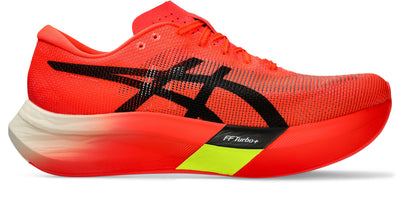
ASICS Metaspeed Sky Tokyo
Shoes
price:$269.99
Free returns and exchanges for 30 days Return Policy







Shoe and Gear Reviews
Shoe and Gear Reviews

Shoe and Gear Reviews

Shoe and Gear Reviews
Carbon plate running shoes are performance-focused shoes designed with a thin, rigid carbon-fiber plate embedded within the midsole. The plate works together with responsive foam and the shoe’s overall geometry to create a firmer, more propulsive feel underfoot. This combination is designed to support smooth transitions through each stride, which is why many runners choose carbon-plated shoes for races, speed workouts, and other faster efforts.
Carbon-plated designs are especially common among modern racing shoes. However, not every model delivers the same experience. Cushioning, weight, stack height, plate shape, rocker geometry, and overall fit can vary considerably from one shoe to another. These differences give runners options for finding a shoe that matches their preferred feel, running style, and race-day goals.
The carbon plate is only one part of the shoe. It works alongside the midsole foam and rocker geometry to influence how the shoe responds as a runner moves from landing through toe-off. The stiff plate can help stabilize the soft, responsive foam while contributing to the shoe’s forward-rolling sensation. Together, these elements create the distinct ride that many runners associate with performance-focused racing shoes.
The placement, shape, and stiffness of the plate can vary between models, as can the amount and type of cushioning surrounding it. Some shoes may feel softer and more cushioned underfoot, while others provide a firmer, more responsive ride. The rocker shape can also affect how smoothly the foot transitions through each stride.
Because brands approach these designs differently, two carbon plate running shoes can feel noticeably different on the road. Trying different models can help runners compare cushioning, stiffness, fit, and overall feel to find a combination that suits their stride and intended use.
Carbon plated running shoes are primarily built with speed and efficiency in mind. Their lightweight materials, responsive midsoles, and stiff plates make them popular choices for road racing. Runners may use them across distances ranging from shorter road events to marathons, depending on the specific shoe.
Our selection of Men’s Racing Shoes includes performance-focused options for runners looking for footwear suited to faster efforts and race day.
Fit and comfort remain important even in a performance shoe. Consider how the shoe feels through the heel and midfoot, how much room your toes have, and how its cushioning and geometry interact with your natural movement.
At Marathon Sports, our in-store Right Fit™ process starts by learning about your goals, routines, and current gear. We then use visual gait analysis to evaluate movement and 3D scan for accurate measurements before curating footwear options based on fit, comfort, and performance. You can learn more through The Right Fit (Shoe Fitting Guide).
Race distance, preferred cushioning, fit, and running mechanics can all influence which shoe feels best. A model that works well for one runner may not provide the same experience for another, which makes individual fit an important part of choosing race-day footwear.
Runners looking for performance options can explore our Women’s Carbon-Plated Shoes and compare models based on fit and intended use. With the right pair, carbon plated running shoes can become a valuable part of your running shoe rotation.
Some runners use them for select workouts, but carbon plate running shoes are generally associated with performance-focused running. Many runners reserve them for speed sessions, race preparation, and events while using traditional trainers for routine mileage.
Lifespan varies based on the shoe, runner, running surface, mileage, and frequency of use. Performance-oriented materials also wear differently from those found in daily trainers, so runners should monitor outsole wear, cushioning, and overall feel. While each shoe is different, racing shoes tend to wear quicker than daily trainers, often starting to break down between 150-300 miles.
Many modern running shoes require little break-in time, but it is still useful to run in race-day shoes before an event. This gives you time to evaluate comfort, fit, and how the shoes feel at your intended pace.
Yes, but they aren’t always necessary. Carbon-plated footwear is not limited to experienced or elite runners. Beginners interested in these shoes should prioritize a comfortable fit and choose a model that works well with their individual movement and running goals. Beginners should keep their current running goal and shoe rotation in mind when deciding if a carbon plated shoe is right for them.
Yes. Carbon-plated models are available for different racing distances, including 5Ks. The right option depends on the runner’s preferences for cushioning, weight, responsiveness, and overall ride.
Yes. Ideally, try them with the type of running socks you plan to wear during training or racing. Sock thickness can affect how securely and comfortably a shoe fits.
They can be worn on a treadmill, although runners may prefer to save race-oriented footwear for specific workouts. Consider your training purpose and how frequently you want to use the shoes.
Many carbon-plated shoes are designed specifically for road running, but plated technology also appears in footwear made for other running environments, such as the track or trail. Check the intended use of an individual model before choosing it for a particular surface.
They should still fit securely and comfortably, but individual models can have different shapes and volumes. Race shoes may feel more performance-oriented than everyday trainers, making it important to evaluate heel hold, midfoot fit, and toe room.
There is no required number. Some runners keep one pair specifically for races, while others rotate performance shoes for workouts and events. Your training schedule, racing frequency, preferences, and budget can help determine what makes sense.