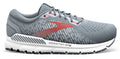
Brooks Glycerin 23
Men's
Shoes
price:$174.99
Free returns and exchanges for 30 days Return Policy





Shoe and Gear Reviews
Shoe and Gear Reviews

Shoe and Gear Reviews
Shoe and Gear Reviews
Start with fit and comfort. A walking shoe should give your toes enough room to move without allowing your foot to slide inside the shoe. Cushioning can help soften repeated impact, while a secure heel and stable platform lead to a comfortable ride.
Because every walker moves differently, shoe selection should also account for your individual gait. Our Right Fit (Shoe Fitting Guide) process includes a consultation and visual gait analysis to help narrow down shoes and insoles based on your movement, goals, and routine.
For everyday walking, look for a shoe that balances cushioning, support, and versatility. The right amount of cushioning can make daily miles more comfortable, especially if you regularly walk on sidewalks, paved paths, or other hard surfaces.
Our collection of men’s walking shoes makes it easier to explore options suited to regular walks, errands, commuting, and active days.
Longer walks put more emphasis on sustained comfort. Consider shoes with cushioning that feels comfortable as the miles add up, along with a secure upper that holds your foot in place.
Fit is especially important here. Shoes that feel fine during a short walk may become uncomfortable over greater distances, so consider how the shoe feels through the heel, midfoot, and toe box before choosing a pair. This may include sizing up to ensure there’s enough room for your toes, as feet tend to swell during longer walks.
Support needs vary from person to person. Walkers who overpronate, meaning their arches roll inward, would benefit from a more structured, supportive shoe. On the other hand, those with a neutral gait may prefer a softer feel without additional stability elements. Your walking gait, routine, and personal comfort preferences can all influence which design feels right.
We consider alignment and support needs throughout the fit process to curate a running shoe selection suited for your walking gait and movement.
Walking shoes should fit securely without feeling restrictive. Your heel should stay comfortably in place, and your toes should have room inside the toe box. Pay attention to pressure points or unwanted movement as you walk.
Trying different options can help you compare cushioning, shape, and overall feel rather than choosing a shoe based on features alone.
A good walking shoe should complement the way you move and the miles you plan to cover. Browse our wider collection of men’s shoes to compare footwear for different activities, or visit one of our New England locations for personalized help through The Right Fit™ process.
Yes. Many walking shoes are suitable for all-day wear, particularly when the cushioning, shape, and overall feel match your feet and daily activities. If you spend much of the day standing or walking, prioritize lasting comfort rather than choosing based on appearance alone.
There is no single replacement schedule that works for everyone. Frequency depends on mileage, walking surfaces, body mechanics, and the shoe itself. Worn tread, uneven wear, compressed cushioning, or a noticeable change in comfort can indicate that it is time for a new pair. Typically, you’ll start to notice this wear after around 350-500 miles.
Not necessarily. Lightweight shoes can feel less cumbersome, but weight is only one consideration. Some walkers prefer additional cushioning or structure, even if those features add a little weight.
Running shoes can work well for walking, depending on their construction and how they feel on your feet. Marathon Sports serves runners, walkers, and fitness enthusiasts, so the most appropriate choice comes down to your movement and intended activity.
A well-fitting pair should feel comfortable when you first try it on. While the materials may soften slightly with use, you should not rely on a lengthy break-in period to resolve significant pressure, rubbing, or discomfort.
Waterproof footwear can be useful for people who regularly walk in wet conditions. However, your choice should account for your typical environment, since breathability and overall comfort may be more important for walks in warm, dry weather.
You can, although the surfaces you regularly walk on may affect your preferences. Outdoor walking can expose shoes to rough pavement, dirt, and changing weather, while indoor walking may place greater emphasis on comfort and traction on smoother surfaces.
Yes. Try shoes with the type of socks you normally plan to wear while walking. Sock thickness can affect how much space you have inside the shoe and how the overall fit feels.
It can. Someone who walks briskly for exercise may prefer a different feel than someone primarily walking casually or spending long periods on their feet. Consider your pace, distance, and usual walking environment when comparing options.
Some frequent walkers prefer rotating shoes, particularly when different pairs serve different activities or conditions. Rotation can also give you flexibility to choose footwear according to the distance, surface, or weather planned for the day.