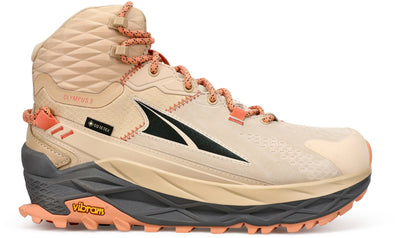
Altra Lone Peak 9+
Women's
Shoes
price:$159.99
Free returns and exchanges for 30 days Return Policy













Shoe and Gear Reviews
Shoe and Gear Reviews

Shoe and Gear Reviews
Shoe and Gear Reviews
Exploring trails requires footwear that can handle changing terrain. From wooded paths to rocky hills, women’s trail running shoes provide traction, stability, and protection to help you navigate uneven surfaces.
At Marathon Sports, we offer footwear designed for different trail conditions and running preferences. Explore our collection of trail running shoes to find options suited to your outdoor activities.
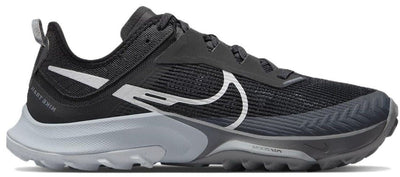
When choosing trail shoes for women, consider traction, cushioning, durability, and terrain. Shoes with deeper outsole lugs provide better grip on muddy or loose surfaces, while shallower lugs work well on packed trails.
Protective toe caps and rock plates can also help shield your feet from rocks and roots. For runners who frequently transition between pavement and trails, look for a more flexible, adaptable outsole. Our guide to the best all-terrain running shoes highlights versatile footwear options for mixed-surface runs.
Waterproof trail running shoes are designed to help keep feet dry during rainy runs and on damp trails. Their protective membranes help prevent moisture from entering the shoe, making them useful for wet grass, puddles, and muddy conditions.
However, waterproof shoes may retain more heat than breathable alternatives. If you regularly run in warm weather, lightweight mesh footwear may offer better ventilation.
Explore our recommendations for the best trail running shoes to learn more about features suited to different conditions.
Finding suitable trail running shoes for women starts with understanding your running habits. Consider the terrain you encounter most frequently, your preferred cushioning level, and the distances you typically cover.
Rocky trails may call for additional underfoot protection, while smoother routes may benefit from lighter, more flexible designs.
Have more trail running questions? Beginners can also explore our beginner’s guide to trail running for practical advice on getting started.
Properly fitting trail shoes for women should provide a secure heel, comfortable midfoot support, and enough room for toes to move naturally. A snug fit helps prevent unnecessary foot movement on uneven surfaces, while adequate toe space can reduce discomfort during downhill runs. Shoes that feel too tight or too loose may lead to rubbing, blisters, or reduced stability.
At Marathon Sports, our in-store Right Fit™ process helps match footwear to your individual movement patterns and foot shape. Through personalized consultations, a 3D scan, gait analysis, and carefully selected shoe options, we help runners find footwear that feels comfortable and supportive. Our team considers your running habits, foot movement, and personal preferences when recommending suitable options.
Trying on shoes with your usual running socks can also help you evaluate fit before purchasing. Walk around, test the heel security, and check that your toes have enough space. Taking time to assess these details can help you choose trail running shoes that remain comfortable throughout your runs.
Discover women’s trail running shoes designed for outdoor adventures at Marathon Sports. Our selection includes options for varying terrain, cushioning preferences, and weather conditions.
Shop our Women’s Trail Running Shoes collection online or visit one of our 32 New England locations for personalized fitting assistance.
We also offer free standard shipping on qualifying U.S. orders over $74.95 and a 30-day return and exchange policy, making it easier to find footwear suited to your next trail run.
Yes, women’s trail running shoes can be suitable for day hikes, particularly on maintained trails. Their lightweight construction and flexible design make them comfortable for active movement. For rugged hikes or backpacking trips, look for trail shoes with additional support, durability, and traction.
Most trail running shoes last approximately 300 to 500 miles, depending on terrain, running frequency, and shoe construction. Rough surfaces can accelerate outsole wear. Regularly checking the tread, midsole, and upper materials can help you determine when replacement is necessary.
Yes, trail running shoes can be worn on pavement, although aggressive outsole lugs may wear down faster on hard surfaces. Shoes with less pronounced tread patterns are generally better suited for occasional road running.
Some runners prefer going up half a size to accommodate foot swelling during longer runs. However, sizing varies between brands and models. Your toes should have adequate space without allowing excessive movement inside the shoe.
Trail running shoes can work well for winter running, especially on packed snow and cold trails. Models with weather-resistant uppers and aggressive traction may offer additional comfort. Icy conditions may require specialized traction devices.
Machine washing is generally discouraged because it can damage adhesives, cushioning materials, and protective membranes. Instead, remove loose dirt with a soft brush and clean the shoes using mild soap and lukewarm water. Always follow the manufacturer’s care instructions.
Remove the insoles and loosen the laces to improve airflow. Allow the shoes to air-dry at room temperature, away from direct sunlight and heating appliances. Stuffing them with newspaper or absorbent paper can help remove excess moisture.
Most modern trail running shoes should feel comfortable immediately, although a few shorter runs can help you adjust to their construction. Gradually increasing mileage allows you to evaluate how the shoes perform before taking them on longer outings.
Many trail running shoes have removable insoles that can accommodate orthotic inserts. However, compatibility depends on the shoe’s interior volume and construction. Testing your orthotics with the shoes before purchasing can help you assess comfort and fit.
Women’s trail running shoes may feature different sizing, heel proportions, and overall fit compared to men’s models. However, these differences vary by manufacturer. The most suitable option depends on individual foot shape and comfort rather than the shoe’s gender designation alone.