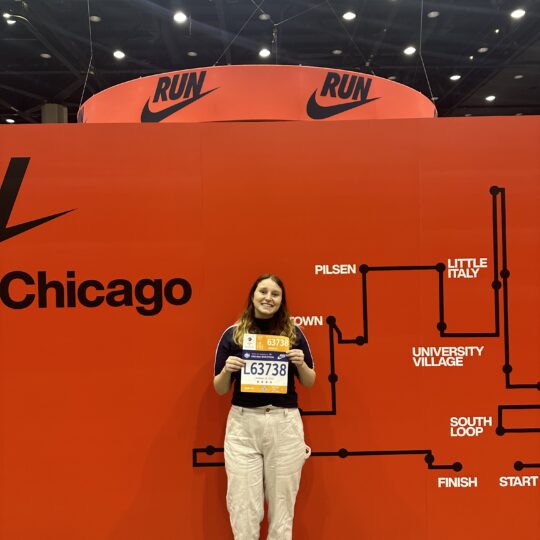
Training for and completing a marathon is one of the most challenging and rewarding experiences runners go through.
Less than 1% of people have completed a marathon. However, the number of people taking on this endurance challenge is growing. More and more people are joining the running community and attempting this feat. And at Marathon Sports, there’s nothing we love more than seeing people start their running journey and work towards a new distance goal.
But as much as running is an innate and simple sport, there’s a lot that goes into properly training for a marathon. From finding the right shoes to mastering your nutrition strategy to learning how to pace, there are a lot of factors that impact how you feel and perform on race day.
Many of our running shoe experts just so happen to be runners with a vast range of marathon experience. So I wanted to dive into their top advice, learn what worked for them, and what they would say to a beginner, first-time marathon runner.
Marathon Training and Running: Top Advice From Marathon Sports Staff
At Marathon Sports, we’re lucky enough to be surrounded by some of the most inspiring runners around. From those just getting started to those who have run 20+ marathons, and from those who have run their entire life to those who discovered the joy of distance running later on. I sat down with people of every age, experience, level, and pace to learn more about their running journey and their best marathon advice.
In the past, we’ve offered a complete guide on how to train for a marathon with a detailed look at a training plan, types of runs, and other guidelines to follow. Our marathon training guide covers a beginner running plan and weekly running tips to reduce injury risk and improve your performance.
But I wanted to hear more tips from the experts themselves. Through several marathon experiences – and some trial-and-error – our staff has learned a lot about how to make the best of every race. Here are some of the key insights I learned over the course of our sit-downs.
Nail Down Your Fueling Strategy Before Race Day
Nearly everyone I spoke to about their best marathon advice stressed the importance of proper nutrition and fueling.
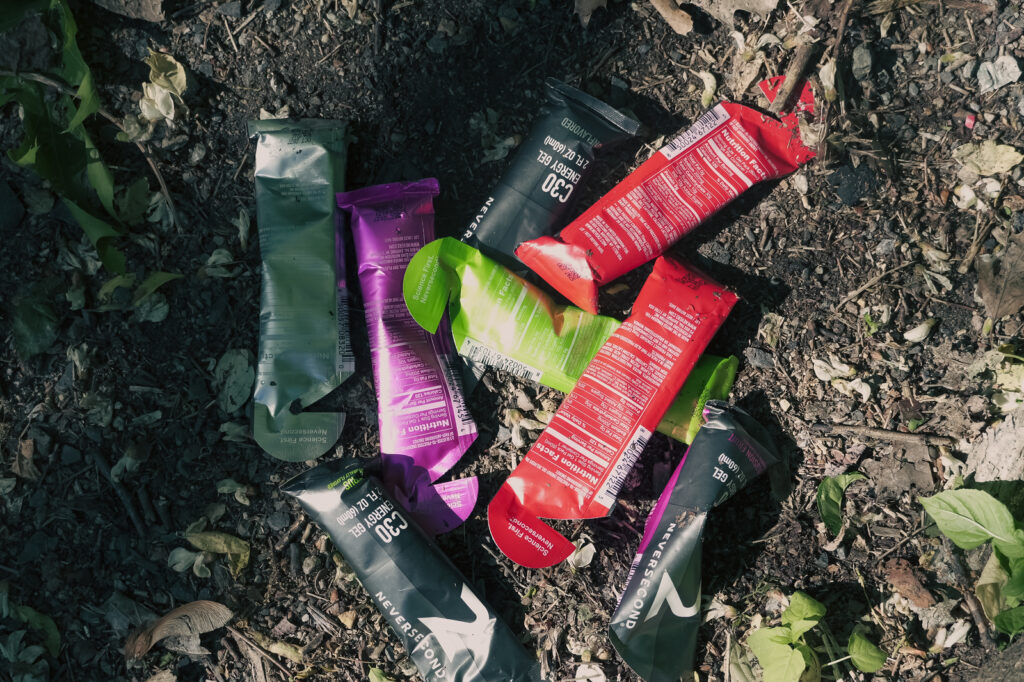
Emmie, who achieved an hour PR between her 2nd and 3rd marathon, said that eating and fueling correctly during the race played a big role in this improvement. “Fuel well and eat as much as your stomach can take”, she said. “And train with the fuel you’re going to race with”.
And no matter how many marathons you’ve run, practicing with fueling before the big day never becomes less critical. Alex, who has run 27 marathons, states that you need to “learn to eat and eat a lot. Nutrition, more than anything, is so crucial and people often don’t eat enough”.
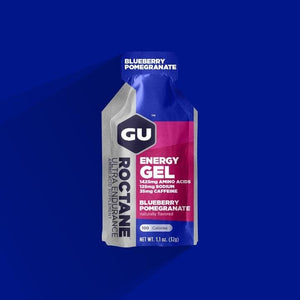
For Alex, proper fueling incorporates 90 gams of carbs per hour while running, Gatorade, and all-around complete nutrition. But the right fueling strategy – and what your stomach can handle – looks different for everyone. Make sure to practice with different gels, chews, and food to find what works best for you during long runs.
So why is this fueling so important? For Paul, who just ran a 2:19 marathon debut and is prepping for the US Marathon Championships at the California International Marathon, “taking nutrition during training sessions and racing can completely transform results”.
“Being properly fueled for a harder/longer run or workout will both increase the pace you can run during the session and reduce the recovery time between harder sessions. Being aggressive with fueling during the race will also almost guarantee that you don’t ‘hit the wall’, which happens when your body runs out of carbs”, he states. With proper food intake, “I never experienced that completely depleted and drained feeling people describe from underfueling during a race”.
If you have any fueling questions, our experienced Marathon Sports team has your back. Stop by any location to grab a wide variety of fueling options and talk nutrition strategy with any of our staff.


Make the Most of Your Training
Fueling is one of the most important aspects of feeling and performing your best. But, as many Marathon Sports staff members highlighted, it’s also important to make your training miles as efficient and enjoyable as possible.
Cara has run four marathons and is hoping to break the 4-hour mark in the future. She’s also training for the next race on her calendar, the Cambridge Half Marathon.
“Practice your fueling, but make sure you’re getting your miles in with your long runs”, she says. Maximum mileage will depend on your individual needs and training plan. Cara aims to max out around 22 miles. But for others, your longest run, which usually occurs about 2-3 weeks before race day, should be around 18-20 miles.
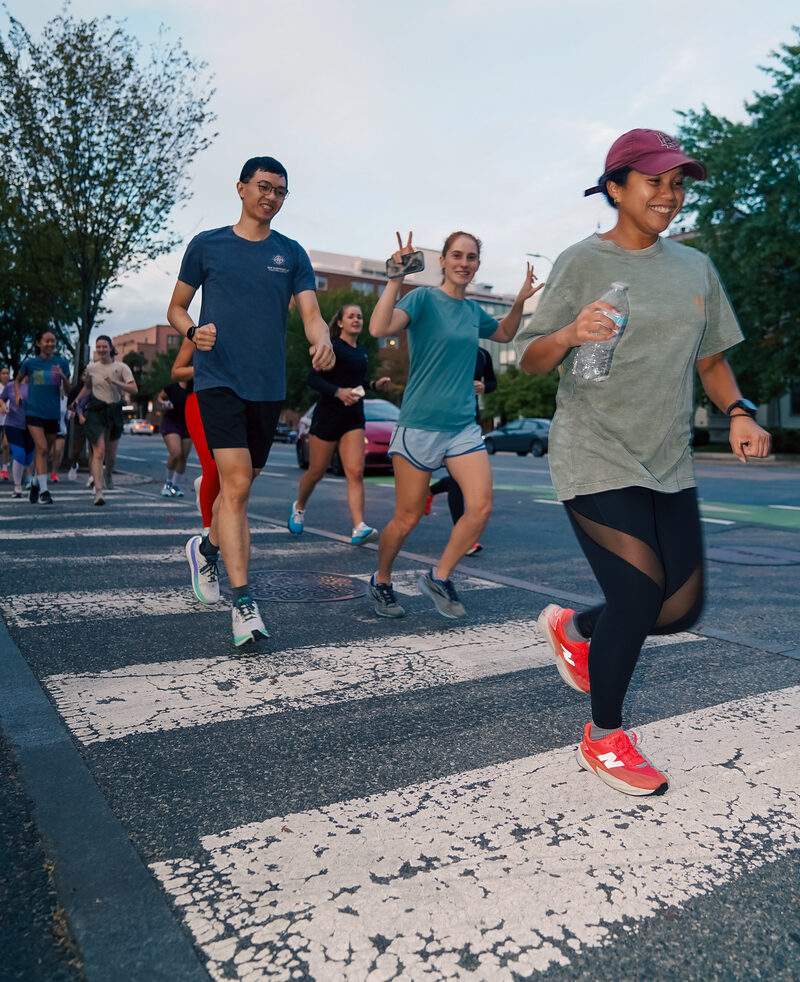
You also want to ensure you’re running enough weekly mileage to build up the strength and endurance you need during race day. According to Paul, “the first most important part of any marathon training plan is weekly mileage”. More miles are beneficial, but he also states that this doesn’t mean you should just up your weekly mileage all at once. In general, “the main progression of a good marathon training plan should be to run more easy mileage”.
While mileage is crucial, getting enough mileage in can sometimes feel overwhelming. So, as Emmie said, while you’re trying to get your runs in, you should also do what you can to “make your runs more enjoyable. If you can find people to run with, run with them”.
Run Your Own Race
One of the biggest mistakes that both first-time and experienced marathoners make is starting too fast. We know it’s easy to get caught up in the adrenaline rush and energy at the start line. But as Alex has learned over the course of many marathons, “it’s a long way to run. Take it slow out of the gate and stay relaxed”.
Jess had some similar advice for beginner athletes. Jess has 12 marathons under her belt – and is working towards her 13th marathon and 6th World Major star in Tokyo next year – so she has quite a bit of experience with the energy and excitement at large Marathon start lines.
“You’re going into a marathon with your own plan, but you sometimes get to the start line and feed off everyone else’s energy”, she says. “ Be ok with what your plan is when everyone else around you is going faster”.
It doesn’t matter how many marathons you’ve run or your goal time. Jenna, who’s aiming for an Olympic Qualifying time at her 6th marathon, also stresses the importance of starting slow and relaxed.
“It’s such a long time to run, so you can’t start out super hard. Stay relaxed and try to treat the first few miles as a long run. I usually try to chat with people around me to help stay relaxed”.
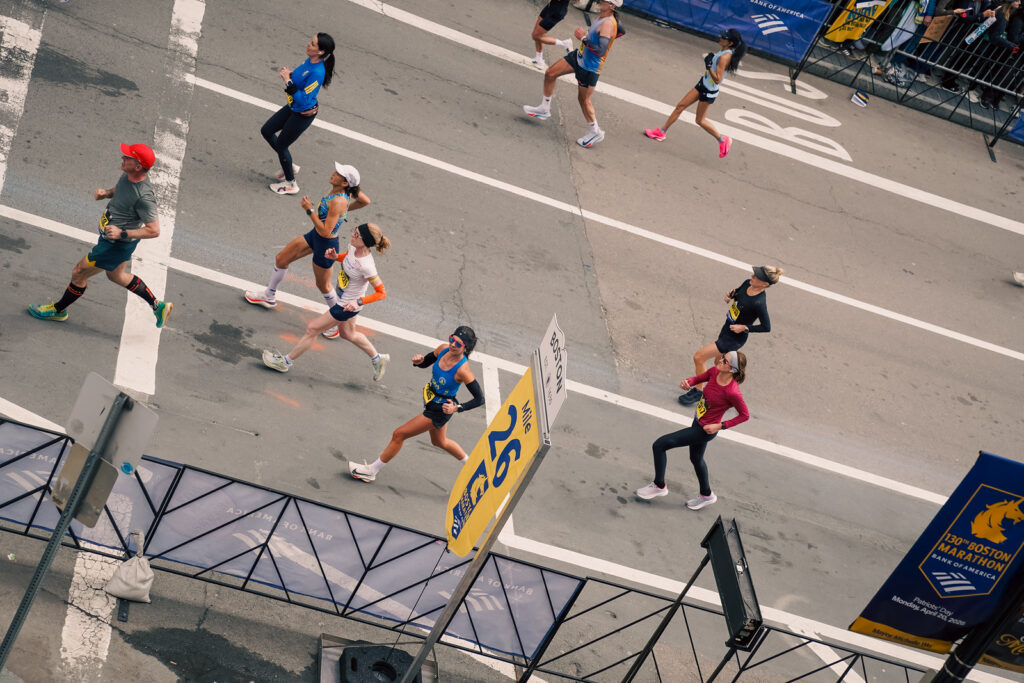
It can also be necessary to adjust your plan and adapt as you go. For example, Jess suggests having “ABC goals. Your A goal is your top goal – so for me, that’s running a sub-5. My B goal would be to smile and have fun during the race. My C goal is to finish not injured”.
Find the Gear that Works for You
Running in general can be an incredibly personal experience. Everyone has their own preferences, goals, and needs, and marathon training gear tends to reflect the variety of athletes that participate in the sport.
Take shoes, for example. No two runners are the same, and as a result, they won’t have the same preferences and needs for their training and racing shoes.
Jenna suggests using marathon training to determine what you like in a running shoe. “Some people like something super cushioned; others like something bouncy and responsive. I like shoes that are bouncy and responsive, but it’s different for everyone”.
And just like gels, you don’t want to wait until race day to test your running shoes. Blisters and hot spots can pop up when you’re on your feet for a long time, so “make sure to try a shoe and practice with it ahead of time”.
Carbon plated shoes are also a common discussion among marathon runners. While they can offer more energy return and efficiency, whether or not you need a dedicated racing shoe ultimately comes down to your goals and running shoe priorities. If you’re looking to shave off time, you might benefit from the responsive ride. But if you need more support, or prioritize comfort, cushioning, and protection, you may want to stick with a more familiar training shoe.
And as with any shoes, you want to make sure you try your dedicated racing shoes before the big day to ensure there are no fit or comfort issues. For example, Paul likes to practice with carbon plated racing shoes, as well as other race-day tools, during harder workouts and long runs.

Using these tools during training “will allow your body to get used to running at faster paces in training as well as recover faster. The main benefit of these tools is that they allow your body to run at a faster pace for the same effort, which compounds over weeks and months of training and makes you a better and healthier runner”.
Jenna and Paul both mentioned the importance of practicing with your gear and strategies before race day. Ultimately, it boils down to the age-old adage, “nothing new on race day”. Test out your shoes, apparel, nutrition, hydration, and anything else you plan to use to stay prepared, both mentally and physically, for marathon day.
Final thoughts: Our Best Advice, From the First Step to the Finish Line
Marathon training isn’t easy. It takes a lot of time, commitment, and energy to get to that start line, and even more grit and determination to get through the race and make it to the finish line.
But our Marathon Sports team is here to help. Our dedicated team is made up of all sorts of athletes, from those in it for the love of the sport to those trying to qualify for elite distance events. And no matter the pace or number of marathon medals, each one has valuable advice to help you make the most of your marathon experience.
Still have questions? We’re always happy to chat at one of our in-person locations. Swing by your nearest store today to get a customized fitting for the perfect marathon shoe, find the right fuel, or talk about other marathon training tips. We’ve got you covered, and we can’t wait to see all you accomplish on race day.