If you’ve run a long distance race before, you’ve likely heard of – or even experienced – the dreaded wall. “Hitting the wall” refers to a sudden crash in energy and performance while running. Your body feels fatigued, you’re completely out of energy, and you feel as if there’s no way you can take another step.
Many of us at Marathon Sports are distance runners, and we’ve all been there before. Whether it’s during a long run, half marathon, or marathon, we’ve all struggled with heavy legs, mental fog, and all the other symptoms of hitting the wall.
But what if there was a way around this for your next run? And what if it was as simple as fueling properly and providing your body with the nutrition it needs leading up to race day?
As runners, our legs and bodies support us and keep us moving during tough workouts, long runs, and high-intensity races. So we need to support our bodies and provide them with the right fuel to keep us moving forward.
But knowing how to carb load properly, plan your meals, and fuel your body correctly is easier said than done. After all, I’ve also hit that wall at mile 20 of a marathon. So I sat down with registered dietitian Carolyn Stocker to learn more about nutrition for runners and gain some insight into how to fuel to feel and perform your best.
How to Fuel: Running Nutrition Tips and Insights
Whether you’re a beginner runner with fueling questions or an experienced athlete looking to take your training to the next level, fueling your body with the right nutrition – and enough nutrition – is crucial. Here are the biggest takeaways from my sit-down with Carolyn, a performance nutrition expert and experienced athlete herself.
Don’t Skip Out on Carbs
There’s a misconception that if you’re trying to be healthy or lose weight, carbs are the enemy. But carbohydrates are an important part of a healthy diet. And for runners, these carbs are particularly important.
Despite the stigma around carbs, Carolyn states that “there are no ‘good’ or ‘bad’ foods”. A bad or good diet comes from the combination of foods you’re eating. And for high-intensity or long-duration exercises, carbs are a critical source of energy.
Carbs have a huge range of benefits for athletes. These include:
- Providing muscles with their primary source of fuel and energy
- Helping maintain blood sugar
- Promoting bowel health; and
- Replenishing glycogen stores post-exercise for a faster recovery
With all these benefits, it’s recommended that, for athletes, carbohydrates should make up about 60% of daily calories. However, keep in mind that the makeup of different nutrients in your diet will depend on your individual needs and activity levels.
And if you’ve spent time around runners or prepared for a distance race yourself, you’ve likely heard the term “carbo loading”. This strategy refers to increasing the carbs you eat in the days leading up to a race to maximize the most efficient energy source in your body.
It is important to get your carbs in before race day, but you should also make sure you’re taking in the right kind of carbs and timing your simple and complex carbohydrate consumption to maximize your workout or race day performance. Carolyn highlighted her recommendations for pre-exercise nutrition for the best possible results:
- Everyday nutrition: Make sure you’re properly fueling with the carbs and other micronutrients your body needs. Aim for balanced meals that you enjoy, are familiar with, and know won’t upset your stomach. You should also fuel every 3-4 hours with healthy snacks that incorporate both carbs and protein.
- 1-3 hours before a run: Aim for carb-rich food with some protein, such as a sandwich, Greek yogurt and granola, or rice with protein and veggies.
- 30-60 minutes before a run: Eat a small snack composed mostly of carbohydrates. These quick, simple carbs can include candy, Pop-Tarts, pretzels, dry cereal, or a granola bar.
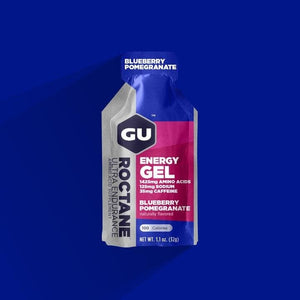
- During a run: If you’re running for 60+ minutes, you should plan to refuel and replenish your carbohydrates and fluids during your run. Along with drinking water and electrolytes, aim to consume 30- 60 g of simple carbs every hour. You can use gels or energy chews, as well as real food like pretzels or raisins, for easy, on-the-go energy.
- Post-run: The fueling work doesn’t end when your workout is done. A balanced protein- and carbohydrate-rich meal following a run – as well as plenty of fluids – will help with muscle repair and recovery.
“Fueling enough equals a reduced risk of injury”. So to feel and perform your best throughout training and on race day, make sure you’re getting enough carbohydrates to fuel your body and allow it to repair and recover.


Balance is Key
Carbs are one of the most important nutrients to factor into your diet while training. But you should also make sure you’re balancing these carbs with fat, protein, and minerals for the best possible performance. Carolyn points to four main nutrition principles to keep in mind when planning your fueling strategy: “Adequate, balanced, moderation, & variety”.

Simply put, you need to make sure you’re getting enough of the essential nutrients, eating food from all main food groups, not consuming anything in excess, and switching up your meals and snacks to add some variety into your diet. You don’t want to avoid any specific foods, but instead focus on ensuring you’re getting the nutrients you need from meals and snacks, particularly before high-intensity workouts or long-distance runs.
“When it comes to marathon training, you’re more at risk for underfueling than overfueling”. Underfueling has some major consequences, including strength loss, fatigue, soreness, injury risk, and diminished performance and recovery. So throughout the day, make sure you’re taking in the necessary nutrients to stay healthy and improve throughout your fitness journey.
When you’re planning your everyday meals, think about breaking your plate up into thirds. For moderate training days, here’s what the breakdown should be:
- ⅓ carbohydrates, grains, such as rice, pasta, bread, or legumes, for sustained energy
- ⅓ lean protein, such as poultry, eggs, fish, or soy, to boost your immune system and build strength
- ⅓ color, such as raw or cooked vegetables, for critical vitamins and minerals that improve bone health, muscle function, energy metabolism, and more
With this balanced meal, you should also plan to incorporate about a tablespoon of healthy fats for long-term energy.
While training, try not to go more than four hours without refueling. Think of these snacks as mini-meals, and try to include protein and carbohydrates with each one.
Adjust Based on Individual Training and Health Needs
As with most things in the running world, there’s no one-size-fits-all nutrition solution. Every athlete is different and will need to adjust their fueling plan to meet their specific health needs, activity level, and training goal.
There are a couple of general rules of thumb when it comes to running nutrition. For example, you should aim for 30-60 (and up to 90) grams of carbohydrates every hour while running after the first hour of exercise, as well as 1-2 cups of fluid every 15-20 minutes. However, as Carolyn states, “everyone has different tolerances and needs”. What works for one person may not work for another.
Sometimes finding out what works best for you takes some experiementation. Test out gels, snacks, and electrolytes during shorter runs to see how your body responds, and always “pay attention to how foods make you feel”, both before, during, and after a run. If you start to notice signs of dehydration or underfueling, such as fatigue, cramping, increased heart rate, or dizziness, you may need to up your fluid, electrolyte, and calorie intake.
Often, your body will signal that you’re lacking the nutrients you need to keep moving. Note any signs of decreased energy or endurance, and make a conscious effort to up your carb intake throughout the day leading up to a run.
Oftentimes, white crust on skin or cramping can come down to not getting enough sodium. If you know you’re a “salty sweater” or it’s particularly hot out while running, look for gels and chews with sodium and other electrolytes to replace the minerals you lose while running.
Your individual health needs and preferences play a key role in determining how you fuel. But you should also consider your activity level.
Take the ⅓ carbs, proteins, and color rule, for example. This should be your baseline for moderate training, but “if you’re doing double training, long run sessions, etc., half of that plate should be carbs. Those carbs are going to be your main energy source”.
Myths and Misconceptions: Common Nutrition Mistakes Runners Make
Finding your perfect fuel strategy can take some time, and often some trial and error. But there are a few common mistakes and misconceptions around running that can leave you underfueled and stall your running progress.
Here are some common nutrition mistakes, demystified.
Eating Enough…But Skipping Hydration
Properly fueling your body doesn’t stop at eating the right foods. It extends to hydrating correctly and making sure you’re replenishing your body’s fluids and electrolytes.
Here’s a general guideline for how much fluid you should be drinking as a runner:
- Before exercise: 2 cups of fluid 2 hours before, with an additional 1-1.5 cups 15 minutes before
- During exercise: 1-2 cups every 10-15 minutes
- After exercise: 2-3 cups for every pound of fluid lost
Dehydration can lead to symptoms such as dizziness, fatigue, increased breathing and heart rate, and confusion. So make sure you’re drinking enough fluids regularly throughout the day, as well as bringing water with you on longer runs or particularly hot days.
You also lose key electrolytes as you sweat, including sodium, chloride, and potassium. Along with water, try using sports drinks or drink mixes with these key electrolytes to balance fluid in your body and support critical muscle and cognitive functions.


Not Testing Out Fuels Until Race Day
“You need to feel confident eating the foods before race day”, says Carolyn. “Practice with items that would taste good while watching Netflix on the couch”.
You don’t want to get to race day, try your fueling strategy for the first time, and find it leads to GI distress or discomfort while running. Throughout your training, practice your pre- and mid-run snacks to find what works best for you. Make sure you try out gels and chews on long runs to make sure they’re easy to digest – and definitely don’t try any new nutrition on race day!
Ignoring Post-Run Nutrition and Recovery
We’ve talked a lot about pre-, mid-, and post-run nutrition throughout this guide. And while the first two are crucial in helping you perform your best, post-run nutrition is especially important for letting your body heal and recover.
Carolyn spoke about practical vs. physical hunger – knowing you need a refuel, but not necessarily feeling physically hungry. And there are certainly times you may not feel hungry after a run. But it’s recommended to eat a carb- and protein-rich snack 30-45 minutes after working out to help repair muscles and replenish your energy supply.
Getting these calories in can feel tough when you’re exhausted and don’t feel hungry after a hard run. Carolyn suggests using liquids instead – chocolate milk, smoothies, protein shakes, and fruit juices can provide you with nutrients while going down and digesting more easily.
Relying on Supplements
Dietary supplements are a bit of a hot topic in the running nutrition world. And while it will always be dependent on your own individual health needs or vitamin deficiencies, you should always be wary of supplements and using them to support your goals. “They don’t replace the nutrients found in quality food, protein, and carb sources”.
Along with talking to your doctor, before taking supplements, try incorporating foods that contain vitamins and minerals into your diet, such as leafy greens for Magnesium, bananas or yogurt for Potassium, or citrus for Vitamin C.
Food for Thought: Nutrition for Runners Final Thoughts
At Marathon Sports, our goal is to provide you with the tools, resources, and knowledge you need to feel your best and reach your running, walking, and fitness goals.
And sure, we know running shoes inside and out. But the right training and running gear is only part of the equation. Properly fueling and eating enough nutritious food is also a crucial part of staying healthy and progressing towards your goals.
Through a sit-down with a registered dietitian, I learned more about some of the best fueling tips and tricks for runners, and I hope this guide offers some insight to help you shape your fueling and nutrition plan.
But if you have more questions or need some recommendations on gels, chews, bars, or electrolyte mixes, our team at Marathon Sports has your back. When you swing by your local store, we’ll be happy to talk running nutrition, fueling plans, and other key tips to help improve your runs and performance.