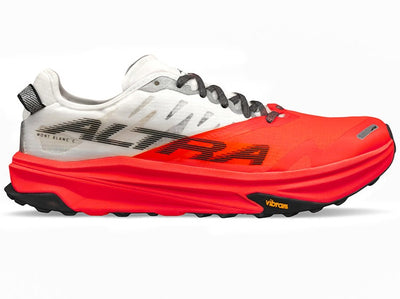
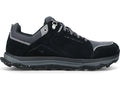
Altra Lone Peak 9+
Men's
Shoes
price:$159.99
Free returns and exchanges for 30 days Return Policy












Shoe and Gear Reviews
Shoe and Gear Reviews

Shoe and Gear Reviews

Shoe and Gear Reviews
Explore dirt paths, wooded trails, and rugged terrain with men’s trail running shoes designed for off-road conditions. These shoes feature specialized outsoles, durable materials, and protective elements that help runners navigate uneven surfaces.
At Marathon Sports, we carry trail running footwear for different experience levels and running preferences. New to off-road running? Our Trail Running 101: A Beginner’s Guide covers the basics of getting started.
Choosing men’s trail shoes involves considering traction, cushioning, durability, and protection. Rubber outsoles with strategically designed lugs provide grip on dirt, gravel, and slippery surfaces. Lug length and aggressiveness will impact the amount of traction on wet or uneven terrain.
Cushioned midsoles help absorb impact, while protective toe caps and rock plates offer additional protection against rocks and roots. Breathable uppers can also improve comfort during longer runs.
Explore our guide to the best trail running shoes to learn more about footwear features and popular options.
Finding the right trail shoes for men depends on your running habits, preferred terrain, and comfort needs.
Consider how frequently you run, the distances you cover, and the surfaces you encounter. Lightweight designs may suit shorter runs on maintained trails, while more protective footwear can be beneficial for demanding routes.
At Marathon Sports, our Right Fit™ process includes personalized consultations and visual gait analysis to help identify the right footwear for your natural movement.
Trail running shoes are designed with different features to accommodate specific environments.
For packed dirt, gravel, and routes combining pavement with trails, versatile footwear offers a practical balance of traction and cushioning. Explore our best all-terrain running shoe guide for mixed surface options.
Rocky and technical trails often require deeper traction patterns, reinforced uppers, and protective construction. Muddy trails may benefit from widely spaced lugs that help release accumulated dirt.
Matching your footwear to your usual running environment can improve comfort and stability.
Properly fitting men’s trail shoes should feel secure around the heel and midfoot without restricting natural foot movement. A good fit helps keep your feet comfortable and stable when navigating uneven trails, steep inclines, and changing surfaces.
Allow enough room in the toe box to accommodate foot swelling and downhill movement. A snug heel helps minimize slipping, while a secure midfoot prevents any side-to-side movement. It’s also important to try on trail shoes with your usual running socks and walk around to check for pressure points or discomfort.
Visit one of our New England locations to experience the Right Fit™ process and receive personalized footwear recommendations from our team. Through individual consultations and visual gait analysis, we can help you find trail running shoes that suit your foot shape, natural movement, and running goals.
Find footwear for your next off-road adventure at Marathon Sports. Our selection includes trail running shoes designed for recreational runners, outdoor enthusiasts, and experienced trail athletes.
Explore trail running at Marathon Sports for trail running footwear and gear suited to your adventures.
We also offer free standard shipping on qualifying U.S. orders over $74.95 and a 30-day return and exchange policy.
Yes, men’s trail running shoes can be worn for everyday activities, including walking, commuting, and casual outdoor use. However, aggressive outsoles may wear down faster on pavement than shoes designed for regular road use.
Many men’s trail running shoes work well for day hikes, particularly on maintained trails. Their lightweight construction and flexible design make them suitable for hikers who prefer less bulky footwear. However, demanding hikes involving heavy backpacks may require more supportive hiking shoes.
Trail running shoes generally last around 300 to 500 miles, depending on terrain, running frequency, and shoe construction. Regularly inspect the outsole, midsole, and upper materials for signs of wear that could affect performance.
Yes, trail running shoes can be used on a treadmill, although road running shoes are generally better suited for indoor running. Trail-specific outsoles may feel less comfortable on smooth treadmill surfaces, particularly if they feature aggressive lugs.
Waterproof trail shoes can be useful for running through wet grass, shallow puddles, and rainy conditions. However, waterproof membranes may reduce breathability and take longer to dry if water enters through the ankle opening.
Moisture-wicking running socks made from synthetic fibers or merino wool are recommended for trail running. These materials help manage sweat and reduce friction. Avoid cotton socks, which retain moisture and may increase the likelihood of blisters.
Men’s trail running shoes can be suitable for winter running, particularly on cold dirt paths and lightly snow-covered trails. However, icy conditions and cold temperatures may require additional traction devices and protection.
Remove loose dirt using a soft brush, then clean the shoes with mild soap and lukewarm water. Remove the insoles when necessary and allow the shoes to air-dry naturally. Avoid direct heat and machine drying, which can damage footwear materials.
Most modern trail running shoes should feel comfortable from the first wear. However, taking a few shorter runs before attempting longer distances allows you to become familiar with the footwear and identify potential irritation or discomfort.
Rotating between two pairs can be helpful for frequent trail runners. Alternating footwear allows shoes additional drying time between runs and provides a backup pair when conditions are particularly wet or muddy.