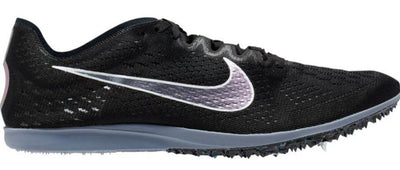
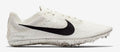
Nike Unisex ZoomX Dragonfly 2
Shoes
price:$114.95 – 169.99
Free returns and exchanges for 30 days Return Policy












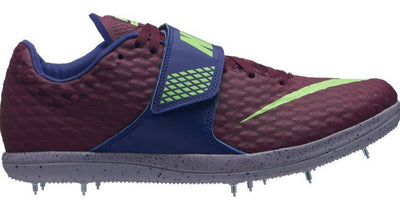


Shoe and Gear Reviews
Shoe and Gear Reviews
Shoe and Gear Reviews

Shoe and Gear Reviews
Different track events place different demands on footwear. Sprinters need aggressive traction for explosive acceleration, while distance runners benefit from lightweight cushioning and flexibility.
Choosing event-specific spikes can improve how your shoes feel during competition. Understanding your race distance and running preferences is a useful starting point before exploring available styles.
Track spikes for women generally fall into three categories: sprint, middle-distance, and distance spikes.
Sprint spikes feature stiff plates and aggressive traction for short, fast races. Middle-distance models balance responsiveness with some flexibility, while distance spikes typically provide additional cushioning for longer events.
Athletes competing on grass or dirt courses may need different footwear. Our guide to the Best Cross Country Running Spikes explains options designed for off-track racing.
Start by considering your primary event, experience level, and preferred fit. Sprint specialists may prefer a firmer, more aggressive spike plate, while distance runners often prioritize comfort over longer races.
Fit matters, too. Track spikes should feel snug without causing uncomfortable pressure or restricting toe movement.
For additional sizing and footwear guidance, explore our article on How to Find the Right Running Shoe.
Choosing girls’ track spikes involves considering foot size, event requirements, and overall comfort. Younger athletes may benefit from versatile models, especially if they compete in multiple distances throughout the season. A secure fit is important because shoes that feel too loose can cause unnecessary movement, while overly tight spikes may create pressure during races. Exploring different track and field shoes can help athletes find options suited to their events and running preferences.
At Marathon Sports, our in-store Right Fit™ process helps athletes find footwear based on their goals and individual movement patterns. Our team takes time to understand each runner’s needs, performs visual gait analysis, and recommends carefully selected footwear options based on fit, comfort, and performance. This personalized approach is especially helpful for younger athletes who are still learning what feels best during competition.
Always try spikes with the socks you plan to wear during competition, and check that your toes have enough room without excessive movement inside the shoe. Testing the fit during workouts before race day can also help identify potential discomfort.
Proper maintenance keeps track spikes ready for race day. Remove dirt and debris after each use, inspect the spike pins regularly, and replace worn or damaged pins when necessary.
Allow shoes to air-dry naturally and avoid storing them while damp. Reserve racing spikes for appropriate surfaces to limit unnecessary wear.
For everyday workouts between competitions, consider our recommendations for the Best Cross Country Training Shoes.
Explore women’s track spikes at Marathon Sports and find footwear suited to your racing distance, fit preferences, and performance needs.
Visit one of our New England stores for personalized assistance through The Right Fit™ process, or browse our online selection. We offer free standard shipping on qualifying U.S. orders over $74.95 and a 30-day return or exchange window to make shopping more convenient.
Some track spikes can be worn without pins, but this depends on the shoe’s design and the running surface. Removable pins provide additional traction, so leaving them out may affect grip and performance. Always check the manufacturer’s recommendations and specific track rules and requirements.
Most track competitions permit spikes, but regulations can vary by event, facility, and governing organization. Some tracks restrict spike length or require specific pin shapes. Check your competition’s footwear rules before race day.
Pyramid spikes have a tapered, wider shape and are commonly accepted on synthetic tracks. Needle spikes are thinner and sharper, offering more concentrated traction. However, some facilities prohibit needle spikes to protect their track surfaces.
Yes, beginners can wear women’s track spikes, particularly when participating in organized track events. Athletes new to spikes may benefit from gradually introducing them during practice to become familiar with their firmer feel and different running mechanics.
Many women’s track spikes can be used on indoor tracks, provided the facility allows them. Indoor venues may have stricter rules regarding spike length and shape. Some competitions also require athletes to use particular types of footwear.
The number of spike pins varies depending on the shoe model and its intended event. Some designs feature four or five pin positions, while others have more. Follow the manufacturer’s recommended configuration rather than adding or removing pins arbitrarily.
Yes, girls’ track spikes are commonly used in middle school and high school track competitions. However, athletes should confirm their school’s or athletic association’s footwear requirements, particularly regarding permitted spike lengths and track surfaces.
Certain sprint spikes are suitable for hurdle events because they provide traction during acceleration, takeoff, and landing. Hurdlers should look for models that offer sufficient stability and a secure fit throughout the race.
Wearing socks is generally a matter of personal preference. Thin running socks can help reduce friction and absorb moisture, while some athletes prefer a closer fit without them. Practice with different sock options to determine the best option for you.
Replacement depends on training frequency, racing conditions, and overall shoe condition. Worn spike plates, damaged uppers, reduced traction, or persistent discomfort may indicate that a new pair is needed. Regular inspections can help identify these signs.