Asics Novablast 6 GTX
Women's
Shoes
price:$174.99
Free returns and exchanges for 30 days Return Policy



Shoe and Gear Reviews
Shoe and Gear Reviews

Shoe and Gear Reviews
Shoe and Gear Reviews
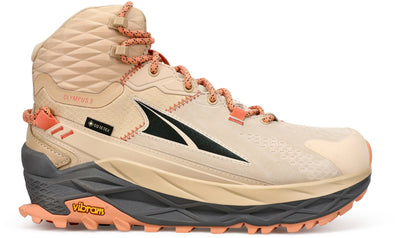
Water-resistant running shoes are designed to help limit how much moisture reaches your feet during light rain, damp weather, and runs on wet surfaces. These shoes typically use water-resistant materials or treatments that provide a layer of protection without sacrificing the flexibility and performance needed for everyday running.
They can be a practical choice for runners who frequently encounter changing weather but do not necessarily need the stronger moisture barrier of a fully waterproof shoe.
If changing weather is part of your training routine, explore our running hoes to find options suited to your mileage, terrain, and preferences. Along with water resistance, consider cushioning, traction, support, and overall fit. A comfortable, well-fitting pair can help you stay focused on your run when roads and sidewalks are wet.
Water-resistant and waterproof running shoes offer different levels of protection for wet conditions. Water-resistant designs are generally suited to lighter exposure, such as drizzle, damp pavement, and occasional splashes. Waterproof running shoes provide a stronger barrier against moisture, often using specialized membranes or construction methods to help keep water from reaching your feet during wetter runs.
That added protection can be useful for runners who regularly encounter steady rain, puddles, slush, or wet trails. Still, water protection is only one part of choosing the right shoe. Breathability, weight, flexibility, cushioning, traction, and intended terrain can all affect how a shoe feels and performs. Consider the conditions you encounter most often and choose a level of protection that fits your regular running routine.
Keeping moisture away from your feet can make wet-weather runs more comfortable. Water-resistant running shoes are particularly practical for runners who want to maintain their regular training schedule through light rain and damp conditions. They can also help reduce direct exposure to moisture from wet pavement and shallow puddles while providing the cushioning and support needed for everyday miles.
Along with offering more comfort, keeping your feet dry on runs can also help you avoid painful rubbing, blisters, and damage caused by excess moisture and friction.
Your shoes should also complement how you move. Our Right Fit™ process starts with a consultation to understand your goals and routine, followed by a visual gait analysis. From there, we curate footwear selections based on your movement and fine-tune the options for fit, comfort, and performance.
Start by considering where and how often you run in wet conditions. Waterproof running shoes may be a practical choice for frequent exposure to steady rain, puddles, or slushy conditions, while water-resistant models can provide enough protection for light rain and damp roads. Think about your usual running environment and the level of protection that makes sense for your routine.
Fit, cushioning, traction, and overall comfort are also important. Runners can browse our men’s shoes to compare footwear for different training needs and preferences. If wet pavement or slick surfaces are common along your routes, pay close attention to outsole traction and grip. A comfortable fit and appropriate cushioning can also help you choose a pair suited to your typical mileage and running surface.
The right water-resistant running shoes should match more than the forecast. Consider your typical mileage, running surface, preferred cushioning, fit, and how much water protection you need. A lightweight water-resistant shoe may work well for shorter runs on damp pavement, while longer outings in steady rain may call for greater protection, reliable traction, and comfortable cushioning.
Our selection of Women’s Shoes includes footwear for different running routines, surfaces, and preferences. Marathon Sports has helped runners, walkers, and fitness enthusiasts find the right gear since 1975. With 32 locations throughout New England, we also provide personalized in-store assistance to help you find shoes that suit the way you move and the miles ahead.
Yes. Water-resistant running shoes can be worn during summer, but breathability is worth considering in warm weather. Some water-resistant materials may retain more heat than highly ventilated mesh uppers.
Drying time depends on the shoe’s materials and construction. Shoes with less breathable or more protective materials may take longer to dry after becoming saturated.
Check the footwear manufacturer’s care instructions first. Hand cleaning with mild soap, cool water, and a soft brush is often a gentler option for protecting shoe materials and construction.
Remove the insoles and loosen the laces to improve airflow. Allow the shoes to air-dry at room temperature and avoid direct heat, which may damage certain materials or adhesives. You can also stuff newspaper into damp water-resistant shoes to help absorb moisture more quickly.
It can. Repeated use, cleaning, abrasion, and exposure to the elements may gradually reduce the effectiveness of some water-resistant treatments.
Yes, provided the shoes are designed for road running. Look beyond waterproofing and consider cushioning, outsole design, support, and fit for your regular road mileage.
They can help with moisture from light snow and slush, but water resistance alone does not make footwear suitable for winter conditions. Traction, insulation, temperature, and surface conditions should also factor into your choice.
Moisture-wicking running socks can help manage sweat inside the shoe. The right sock thickness can also contribute to a comfortable fit during longer or wetter runs.
Replacement timing varies according to mileage, running style, surfaces, shoe construction, and visible wear. Changes in cushioning, traction, fit, or overall comfort can indicate that it is time to consider a new pair.
Some footwear treatments are designed to add water resistance, but compatibility depends on the shoe material. Always follow the shoe manufacturer’s care recommendations before applying a spray or treatment.