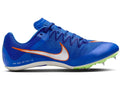
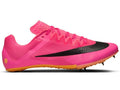
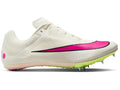
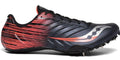
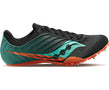
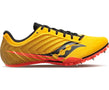
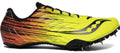
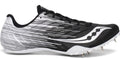
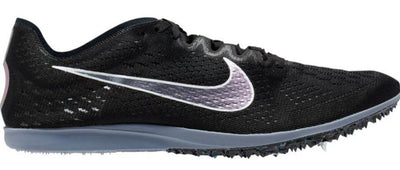
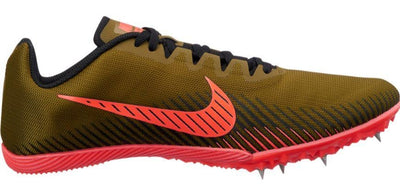
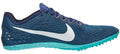
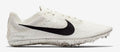
Nike Unisex ZoomX Dragonfly 2
Shoes
price:$114.95 – 169.99
Free returns and exchanges for 30 days Return Policy














Shoe and Gear Reviews

Shoe and Gear Reviews

Shoe and Gear Reviews

Shoe and Gear Reviews
Men’s track spikes are specialized running shoes designed to provide traction, speed, and stability during track and field events. Unlike traditional running shoes, they feature a minimalist, lightweight construction and spike plates that improve grip on track surfaces.
At Marathon Sports, our selection of track and field shoes includes options for different racing distances and performance needs.
Different types of track spikes are designed to support specific racing distances. The appropriate style depends on your event, running mechanics, and preferred level of cushioning.
Sprint spikes are built for explosive acceleration and maximum speed in events ranging from 100 to 400 meters. They typically feature stiff forefoot plates, minimal cushioning, and a snug fit that supports powerful toe-offs.
Middle-distance spikes balance responsiveness and cushioning for events such as the 800 and 1,500 meters. Their flexible construction supports sustained speed while providing traction throughout the race.
Long-distance spikes prioritize lightweight comfort and flexibility for events such as the mile, 3K, or 5K. They generally offer more cushioning than sprint models to accommodate repeated foot strikes.
All track spikes will best suit an even track surface. For races on grass or dirt, our guide to the best cross country running spikes explains the footwear features suited to uneven terrain.
Consider your primary event, running experience, and cushioning preferences before selecting track spikes. Sprinters generally benefit from rigid plates that support powerful toe-offs and quick acceleration, while distance runners may prefer more flexible designs with added cushioning for longer efforts.
Beginners may also benefit from spikes that offer a balance of comfort and responsiveness as they adjust to racing footwear. On the other hand, experienced athletes may prefer an ultra-light, plated track spike for maximum propulsion.
Pay attention to the shoe’s weight, plate construction, and traction features to find a pair suited to your running needs. Check your track facility’s regulations regarding spike pin lengths and shapes to make sure your footwear meets competition requirements.
Track spikes should fit snugly around the heel and midfoot without creating uncomfortable pressure. Your toes need enough room to move naturally, but excessive space may cause slipping during acceleration.
Our guide on how to find the right running shoe offers additional advice on selecting properly fitting footwear.
You can also visit Marathon Sports for our in-store Right Fit™ process, which includes a 3D foot scan, visual gait analysis, and personalized footwear recommendations. We take your movement, comfort, and running goals into account when recommending shoes to find you the best possible fit.
Remove dirt and debris after each race, and allow your spikes to air-dry naturally. Inspect removable pins regularly and replace worn or damaged ones to maintain traction.
Avoid wearing track spikes on pavement, as hard surfaces can damage the pins and plates.
For everyday workouts and off–track training, explore our guide to the best cross country training shoes.
Find men’s track spikes suited to your racing distance, experience level, and performance goals at Marathon Sports. Our team can help you compare available styles, understand the differences in spike plate construction, and identify footwear that fits your needs.
Shop online to browse our selection of track and field footwear, or visit one of our 32 New England locations for personalized assistance. Our knowledgeable team is here to help you find the right pair of track spikes for your next training session or competition.
Yes, beginners can wear men’s track spikes, especially when participating in organized track events. However, new athletes should gradually introduce spikes into their training routines to allow their feet and lower legs to adjust to the different construction.
Most men’s track spikes are suitable for indoor tracks, although it can depend on the facility’s surface and regulations. Indoor venues may restrict spike lengths or require specific pin types. Always check the facility’s footwear guidelines before competing.
Some track spikes can be worn without removable pins, but their traction may be reduced. Performance depends on the outsole and plate design. Check the manufacturer’s recommendations before using spikes without pins.
Track spikes feature specialized plates and pins designed for traction on track surfaces. Racing flats typically have rubber outsoles without spike pins, making them more suitable for road racing and certain workouts.
Yes, some men’s track spikes feature carbon fiber plates designed to provide stiffness and responsiveness. These models are often used in competitive racing, although plate materials and construction vary across brands and events.
Socks are optional with many track spike models. Some athletes prefer thin, moisture-wicking socks to reduce friction, while others choose to race without them. The best option depends on personal comfort and the shoe’s interior construction.
The lifespan of men’s track spikes depends on usage frequency, running surfaces, and maintenance. Competitive athletes may replace their spikes more frequently than occasional racers. Visible plate damage, worn outsoles, and declining traction can indicate replacement is necessary.
Yes, certain sprint spikes are suitable for hurdle events. Hurdlers generally benefit from responsive forefoot plates and secure uppers that support acceleration, takeoffs, and landings. Specific footwear preferences may vary by hurdle distance.
Higher-priced track spikes may offer advanced plate materials, lighter construction, or specialized racing technology. However, the most expensive option is not necessarily the best choice for every athlete. Event suitability, comfort, and experience level should guide purchasing decisions.
Some track spikes are specifically designed for jumping events. Long jump and triple jump spikes typically provide additional support and traction for the approach, takeoff, and landing phases. Event-specific jumping spikes are generally preferable to standard distance spikes.