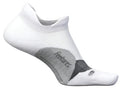
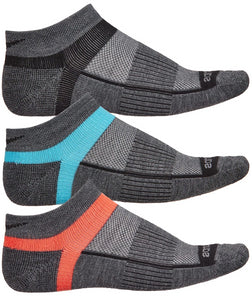
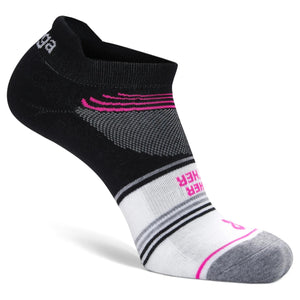
Feetures Elite Light Cushion No-Show Tab Running Socks
Socks
price:$19.00
Free returns and exchanges for 30 days Return Policy













Shoe and Gear Reviews
Shoe and Gear Reviews
Shoe and Gear Reviews
Shoe and Gear Reviews
The right pair of running socks can make daily miles, long runs, and race days more comfortable. Look for materials that manage moisture and dry quickly rather than holding sweat against your skin. Breathable fabrics can also help keep your feet more comfortable as temperatures rise or your mileage increases. A secure fit is equally important because excess fabric, bunching, or slipping can create unwanted friction as you move.
Cushioning is another factor to consider when choosing running socks. Some runners prefer lightweight socks that provide a close-to-the-shoe feel, while others appreciate extra padding under high-impact areas such as the heel and forefoot. The right amount of cushioning often depends on your shoes, running distance, and personal comfort preferences.
Sock height and overall construction can also influence your choice. No-show and ankle socks provide less coverage, while quarter and crew styles offer more protection around the ankle and lower leg. Our selection of Women’s Socks includes options designed for different preferences, distances, and running routines.
While browsing running socks, you’ll also see a variety of different materials, including synthetic materials and merino wool. Look for moisture-wicking materials that keep feet comfortable and dry to help reduce excess friction and blisters.
For regular training, comfort and durability should work together. Socks designed specifically for running typically use technical materials and targeted construction to handle repeated miles better than standard everyday socks.
Consider the thickness of your socks in relation to your running shoes. A thicker pair may provide additional cushioning but can also change how a shoe fits. A thinner sock may work better for runners who prefer a more streamlined feel. Our running rock collection makes it easy to explore different styles for training, racing, and everything in between.
Small design details can have a noticeable effect during a run. A well-fitting cuff can help keep socks from sliding down, while smooth or strategically placed seams may reduce areas of irritation. Breathable materials and ventilation zones can also help manage heat and moisture.
Some running socks feature targeted compression or anatomical designs intended to create a closer fit around the foot. Feetures Socks, for example, offer running-focused options for shoppers looking for a performance-oriented sock. The ideal amount of cushioning depends on personal preference, running distance, footwear, and how you like your socks to feel inside your shoes.
Start by thinking about where, how far, and how often you run. Lightweight socks can suit warm-weather runs or runners who prefer less material between their feet and shoes. More cushioned styles may appeal to runners looking for additional softness during longer efforts.
Sock height is another personal choice. No-show, ankle, quarter, and crew styles provide different levels of coverage. Fit matters as well, so choose the appropriate sock size instead of relying solely on your shoe size assumptions.
Shopping for someone else? Marathon Sports also carries Men’s Socks with performance-focused options for running and other activities.
Finding the best running socks for women comes down to matching fit, cushioning, materials, and design to your individual needs. The right pair should feel comfortable inside your running shoes while supporting daily miles, longer runs, and regular workouts. Sock height, thickness, moisture management, material, and cushioning can all affect how your feet feel throughout a run.
Marathon Sports has been serving runners since 1975, offering shoes, apparel, and gear for runners, walkers, and fitness enthusiasts. With decades of experience in the running community, the focus remains on helping people find gear suited to their goals, routines, comfort, and movement.
Browse our selection of running socks for women from leading running brands to compare materials, cushioning levels, and designs. Choosing a pair that complements your running shoes and training routine can help keep your feet comfortable from shorter workouts to longer efforts.
Replacement depends on mileage, washing frequency, and construction. Consider replacing running socks when the fabric becomes thin, cushioning feels compressed, elastic stretches out, or holes begin to develop. Some brands, like Darn Tough and Feetures, even offer a lifetime warranty that replaces socks when they begin to wear out.
Cotton generally retains more moisture than performance-oriented synthetic or wool blends. Running-specific fabrics are typically better suited to managing sweat during exercise.
Running socks can help reduce friction and moisture, two factors associated with blister formation. Proper shoe fit and sock sizing also play important roles.
Merino wool can be a practical option because it manages moisture and temperature while remaining soft against the skin. Merino blends are available in different weights for varying conditions.
Running socks should fit snugly without feeling restrictive. A close fit helps limit bunching and movement inside the shoe, but socks should not cause uncomfortable pressure.
Some running socks use anatomical left- and right-foot designs that position cushioning, compression, and shaping more precisely around the heel and arch. While the comfort and benefits ultimately depend on your preferences, this anatomical design can create a secure, contoured fit for maximum support.
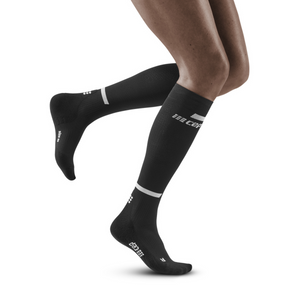
Some runners use compression socks during running or recovery. Compression levels and intended uses vary, so shoppers should check the specific product design before choosing a pair.
There is no required number. Runners who train frequently may benefit from having enough pairs to rotate between workouts without needing to wash the same socks immediately after every run.
Seasonal conditions can influence sock choice. Lightweight, breathable designs may feel more comfortable in warmer weather, while wool blends or higher-coverage socks can provide additional warmth in colder conditions.
Yes. Many features valued by runners, including moisture management and a secure fit, can also be useful for walking, gym workouts, and other fitness activities.