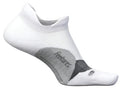
Feetures Elite Light Cushion No-Show Tab Running Socks
Socks
price:$19.00
Free returns and exchanges for 30 days Return Policy









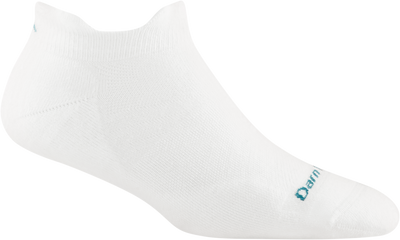


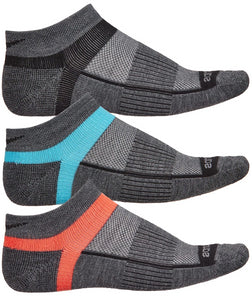


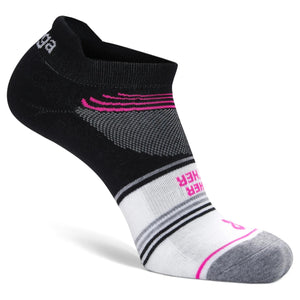


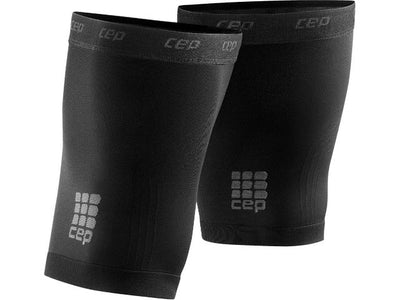


Shoe and Gear Reviews
Shoe and Gear Reviews

Shoe and Gear Reviews
Shoe and Gear Reviews
Running socks can play an important role in keeping your feet comfortable through daily miles. Unlike basic cotton socks, running-specific options typically use technical materials designed to manage moisture and reduce the amount of damp fabric sitting against your skin. A close, secure fit can also limit shifting and bunching inside your shoes.
At Marathon Sports, our selection of running socks includes different levels of cushioning, heights, materials, and support. Consider how your socks fit with your running shoes and how much cushioning you prefer. A lightweight pair may work well for runners who like a closer, more minimal feel, while additional cushioning can provide more softness underfoot during everyday training.
Start with fit. Running socks should sit securely around the heel, arch, and forefoot without creating folds or excess material inside your shoes. Features such as anatomical shaping, targeted compression, and reinforced areas can also contribute to a more secure feel.
Material is another important consideration. Technical synthetic fibers and merino wool are commonly used because of their moisture-management properties. Sock height also comes down to your preference and running conditions, with no-show, quarter, crew, and taller options available.
For runners interested in a performance-focused fit, our selection of Feetures socks provides options for different training preferences. Comparing cushion levels and sock heights can help you find a pair that works comfortably with your running shoes.
Blisters can develop when moisture, heat, and repeated friction affect the skin during a run. Choosing socks that manage sweat and stay securely in place can help reduce conditions that contribute to irritation.
Pay attention to seams and overall construction. A smooth interior can reduce areas that may rub against the toes and other sensitive parts of the foot. The sock should also stay in place as you move rather than sliding down or twisting inside the shoe.
Cushioning is useful for comfort, but more is not always necessary. Your preferred level will depend on your shoes, running distance, and how much ground feel you like. The goal is to find a combination of socks and shoes that feels natural throughout your run.
Long-distance running places different demands on your feet because they spend more time inside your shoes. Moisture management, fit, and durability become particularly important as the miles add up. Socks that feel comfortable during a short run may perform differently over a longer training session.
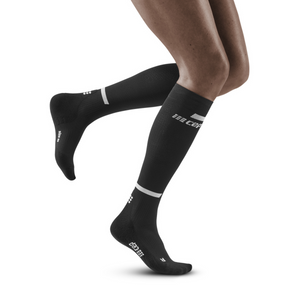
Some runners prefer additional cushioning for long distances, while others favor lightweight socks that take up less room inside their shoes. Compression is another option to consider. CEP socks include performance-oriented styles for runners looking for a supportive fit.
Before wearing a new pair for a race or especially long run, test it during regular training. This gives you an opportunity to see how the socks interact with your shoes and how they feel as your feet warm up over several miles.
Choosing running socks for men comes down to fit, moisture management, cushioning, and comfort. Our men’s socks include different heights and cushion levels for various training needs. Consider your running conditions too, as breathable no-show socks can suit warmer weather, while greater coverage or merino wool may work well in cooler temperatures.
A good running sock should work comfortably with your footwear and accomodate your usual distances, cushioning preferences, and support needs. At Marathon Sports, our Right Fit™ process helps runners find gear based on their goals, routine, and movement, so every part of their running setup works well together.
Running socks should generally be replaced when you notice thinning fabric, stretched elastic, holes, worn cushioning, or a fit that no longer stays securely in place. How quickly they wear out depends on how often you run, your mileage, and how you wash and rotate your socks. Some brands even offer a lifetime warranty, so you can easily replace them when needed.
Neither option is automatically better. Thin socks provide a closer feel inside the shoe, while thicker socks can add cushioning and warmth. Your running shoes should still fit comfortably with the sock thickness you choose.
Yes. Features found in running socks, such as moisture-managing materials and performance-oriented construction, can also suit walking and other fitness activities. Marathon Sports serves runners, walkers, and fitness enthusiasts, so sock choice can be based on your activity and comfort preferences.
Price alone does not determine whether a sock is right for you. Consider construction, materials, durability, fit, and features that match your needs. A higher-priced pair can offer specialized performance features, but those features should be useful for your particular running routine.
Most runners can use a single pair of properly fitting running socks. Wearing two pairs adds material inside the shoe and changes how the footwear fits. Some runners intentionally use a double-layer system, but it should be tested during training before being used for longer distances.
You can, but running without socks means your skin is directly exposed to the interior of your shoes. Socks provide a layer between your feet and footwear while helping manage sweat. Runners interested in going sockless should consider how their particular shoes feel against bare skin.
Shrinkage depends on the materials and care instructions for the individual pair. High heat can affect some fabrics and elastic components. Following the manufacturer’s washing and drying directions can help maintain the intended size and shape.
There is no required number. Your ideal rotation depends on how frequently you run and do laundry. Having enough pairs to start each run with clean, dry socks can make weekly training more convenient.
Yes, but changing socks can slightly change how a shoe feels. A thicker sock occupies more interior space than a lightweight design, which can affect the overall fit. Consider the shoe and sock as a combination rather than choosing each item independently.
Running socks can be worn for both training and racing. For race day, it is generally better to use socks you have already worn successfully during training instead of introducing an unfamiliar pair.