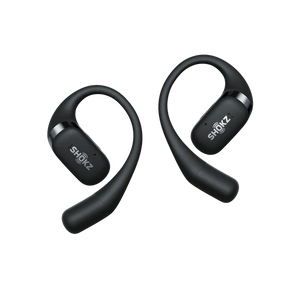
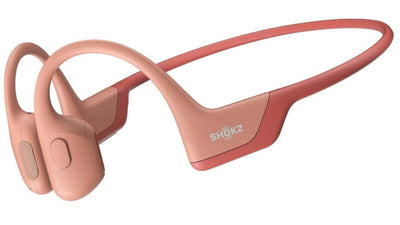
Shokz OpenRun Pro 2
Electronics
price:$179.95
Free returns and exchanges for 30 days Return Policy







Shoe and Gear Reviews
Shoe and Gear Reviews

Shoe and Gear Reviews

Shoe and Gear Reviews
Comfort and fit should be priorities when choosing running headphones. A secure design helps keep them in place as your pace and movement change, while lightweight construction can reduce distractions and pressure during longer outings. Sweat and water resistance are also worth considering, especially if you regularly train in warm weather, light rain, or during demanding workouts where moisture is unavoidable.
Battery life matters for runners logging longer distances or using their headphones throughout the week. Look for a battery that can comfortably cover your typical training schedule, along with controls that make it easy to adjust volume, pause audio, or change tracks while moving.
Bluetooth connectivity and charging time may also be useful factors depending on how often you run. Pairing your headphones with Running Watches can help keep your essential training technology together for tracking workouts and listening to audio on the go.
Many running headphones also use bone conduction technology to help you stay safe and aware of your surroundings on runs. If you tend to run in busy areas, look for headphones that let you hear people, cars, and bikes around you.
Your training routine can help determine which style of headphones makes the most sense. Runners covering everyday road miles may prioritize a lightweight design and stable fit that stays comfortable during regular movement. For long runs or higher-mileage training, battery life and lasting comfort may become more important. Easy-to-use controls can also be helpful when you want to adjust your audio without interrupting your pace.
Awareness is another consideration, particularly for runners training around traffic, cyclists, or other people. Some headphone designs allow for more audible environmental sounds, which can be useful in helping you stay aware of your surroundings.. Your headphones are also one part of a larger running setup. Marathon Sports offers Running Gear for training, racing, and everyday miles, making it easier to find equipment that supports different parts of your routine.
Headphones for running should feel secure without creating uncomfortable pressure, even as your pace and movement change. A good fit keeps your headphones in position through steady runs, faster workouts, and longer training sessions. They should also feel comfortable over time, since pressure or frequent slipping can become distracting as the miles add up.
Fit preferences vary from runner to runner. Some people prefer earbuds that sit securely in the ear, while others may favor open-ear designs that leave the ear uncovered. Ear hooks and adjustable features can also provide added stability for runners who want a more secure feel. Consider how a pair feels while you are moving rather than judging the fit only while standing still.
A well-rounded running setup can include headphones alongside the equipment you rely on for comfort, performance, and longer training sessions. Having the right accessories can help you stay prepared as your mileage increases or conditions change. For longer outings and warm-weather training, Hydration Gear can make carrying fluids more convenient and help keep hydration within easy reach throughout your run.
Marathon Sports has served runners, walkers, and fitness enthusiasts since 1975 and now has 32 locations across New England. Along with running headphones and other essential gear, we provide personalized assistance to help runners find products suited to their goals and routines. You can shop online or visit one of our stores for knowledgeable support as you build a running setup that works for you.
Yes, but race rules vary by event. Some races allow headphones, while others restrict or discourage them for safety or competitive reasons. Check the event’s rules before race day.
Bone conduction headphones can be useful for runners who want to keep their ears open. They transmit sound through vibrations near the cheekbones, allowing more ambient sound to remain audible.
That depends on the headphones’ water-resistance rating. Check the manufacturer’s IP rating and care instructions to determine how much exposure to rain and moisture the headphones can handle.
Cleaning them after sweaty workouts can help prevent buildup from sweat, dirt, and skin oils. Follow the manufacturer’s cleaning instructions, particularly for earbuds with removable tips or other sensitive components.
Wireless headphones eliminate cords that may bounce or catch on clothing during movement. Wired options can still work for running, so the better choice depends on your device, preferences, and training habits.
Many Bluetooth running headphones can connect directly to compatible smartwatches. This can allow runners to listen to stored or streamed audio without carrying a phone, depending on the watch and audio service.
Noise cancellation can reduce your awareness of vehicles, cyclists, other runners, and environmental sounds. Consider your surroundings and use transparency, ambient, or open-ear modes when greater awareness is important.
Repeated exposure to sweat can affect headphones that are not adequately protected against moisture. Choosing a sweat-resistant model and cleaning it according to the manufacturer’s instructions can help with regular running use.
Some wireless earbuds support independent single-earbud use. Using one earbud may also leave the other ear open to surrounding sounds, although features and functionality vary by model.
Many headphones can operate in colder temperatures, but battery performance and operating limits vary by model. Check the manufacturer’s recommended temperature range before using headphones in particularly cold conditions.