
Your go-to pair of running shoes has likely been through it all with you – tough training blocks, long runs, challenging race days, and exciting personal bests. So it can be hard to know when it’s the right time to hang up your trusty running shoes and move on to the next pair.
It’s a question we hear all too often at Marathon Sports: Is it time to replace my running shoes? And while we’re always happy to offer guidance at one of our local specialty running stores, there are also some ways to keep track of running shoe wear from the comfort of your own home.
We’ve put together a complete guide to help you determine whether it’s time to hang up your current pair of running shoes. Keep reading for a comprehensive checklist of what to look for when deciding if it’s time to replace your shoes.
When is it Time to Replace Running Shoes?
We know it can be hard to tell whether your shoes are still working for you and your daily mileage. Keep reading for some tips and tricks to keep in mind to help you determine if it’s time for a new pair of shoes.
Keep Track of Mileage
One of the best ways to determine when it’s time to replace a pair of shoes is to keep track of the number of miles the shoes have been through. The general rule of thumb when it comes to mileage is that most shoes will hold up for around 350-500 miles.
Shoes offer comfort and injury prevention through shock-absorbing cushioning and support under the foot. By the time you hit 500 miles on the shoes, this cushioning wears down and causes your muscles and joints to absorb more and more shock on every run.
The 350-500 mile range is the standard guideline when it comes to running shoe mileage, but there are also a few factors that can impact where your running shoes land in terms of durability and lasting shock absorption:
- Amount of cushion: High cushion daily trainers are built for everyday mileage and will often offer more durability compared to minimalist, low cushion running shoes.
- Type of shoe: Some shoes are simply designed to handle more intense daily mileage than others. Daily trainers with durable standard foam will often hold up better than designated race day shoes with lightweight, bouncier foam.
- Individual foot strike: No runner is the exact same, and that principle extends to foot strike and the amount of impact put on running shoes. Heavier runners or anyone with a harder foot strike may find their shoes wear out on the earlier end of that 350-500 mile range.
- Terrain: Running surface can make a difference when it comes to wear and tear in running shoes. Hard surfaces, such as pavement or rocky paths, can be tough on shoes and cause them to wear down quicker, while softer surfaces like treadmills or dirt roads can be easier on the tread and cushioning.
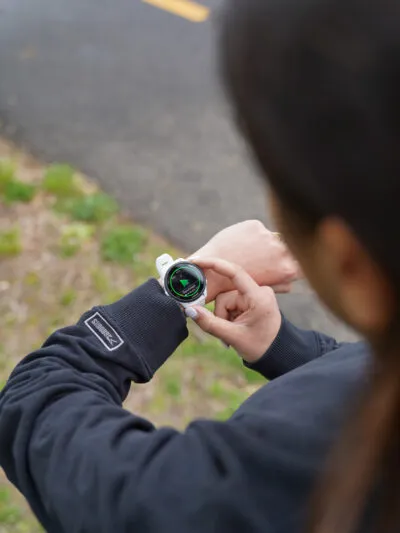
Most running apps and smartwatches will have a way to track your mileage to ensure you’re not past the shoe’s lifespan. For runners who don’t track the mileage on their shoes, you’ll likely hit that benchmark anywhere between 4 and 8 months.
Pay Attention to New Aches and Pains
Outside of tracking mileage, one of the best ways to determine if it’s time for a new running shoe is to listen to your body.
Shock and impact while running are major contributors to injuries such as shin splints, plantar fasciitis, and other common ailments among runners. The right running shoe will work to reduce the likelihood of these injuries by providing effective shock absorption, reducing pressure, and keeping you in alignment with each step.
As the cushioning and support wear down over time, you may start to feel new aches, pains, or soreness after each run. Be sure to pay attention to your body, particularly if your running shoes are towards the end of their life. If any new aches pop up after running, it’s likely time to pay a visit to your local running store.
Blisters may also be a sign that a shoe has stretched or changed shape and is no longer effectively supporting you or fitting your feet correctly. An increase in blisters or general foot pain is another good sign to replace your running shoes.
Look for Visual Signs
If all else fails and you’re still unsure if it’s time to replace your shoes, there are some visual cues to look for to determine if your running shoes are still doing their job.
First, take a look at the midsole unit. Midsole foam compresses over time, and shoes towards the end of their lifespan will likely have wrinkles and creases in the midsole and appear flatter and more compressed than a new shoe.
Next, flip the shoe over. Most running shoes will have an outsole with some extra grip and durability. If the outsole is completely smooth or worn down in high-wear parts of the shoe, it’s likely not giving you the support, cushioning, and traction you need. You may even see uneven wear on the bottom of the shoe, indicating that you need a new shoe that will keep you better aligned and supported throughout each run.
Finally, you may see general signs of wear and tear in every part of the shoe. Whether it’s holes in the upper, visible tears around the heel and ankle padding, or creases and cracks in the midsole, you’ll likely be able to spot visual cues that your shoe is no longer offering the support you need to run pain-free.


How to Make Running Shoes Last Longer
Over time, running shoes will inevitably lose their bounce, support, and shock absorption and need to be replaced. However, there are a few ways you can increase the lifespan and enjoy your favorite shoes for longer:
- Keep your running shoes just for running: Having a designated running shoe will help extend the life of your running shoes and prevent early wear. Walking around and doing other activities in your running shoes adds to the total mileage and will cause your shoes to wear down faster, so try to wear your running shoes for running only.
- Alternate between running shoes: Not every runner needs an entire shoe rotation, but alternating between a few running shoes can play a crucial role in improving your shoes’ longevity and lifespan. This reduces mileage on the shoes and allows the cushioning to decompress between uses for a longer-lasting midsole unit.
- Pay attention when putting your shoes on and taking them off: We’ve all been guilty of sliding shoes on or off without untying them. But removing or putting on shoes this way can actually cause the shoe to stretch and wear down quicker. Be sure to fully untie the laces before and after a run to reduce premature wear and stretch in the upper.
- Buy the right shoes for you: Finding the right shoe for your usage and running form can help prevent the shoe from wearing down too quickly or unevenly. With a proper shoe fitting through the Right Fit process, you can find a shoe that can handle your mileage and running needs.
With these tips and tricks, you can get the most out of your favorite pair of running shoes and extend the amount of time between trips to the shoe store.
Replacing Your Running Shoes: Final Thoughts
Using the methods above will give you a better idea of when it might be time to buy a new running shoe. But if you’re still unsure, you don’t have to keep wondering while risking injuries by running on a worn-out shoe.
The team at Marathon Sports is here to help and answer any questions you may have about running shoes and whether or not they’ve reached their limit. And if it is time to replace your shoes, we’ve got your back.
Using the Right Fit, our dedicated team will listen to your needs and help you find the best possible replacement shoes to meet all your running needs. We know your running shoes have been with you through thick and thin. But with a new pair of comfortable and trusted running shoes, you’ll be ready to lace up your shoes and hit the road pain and injury-free!