
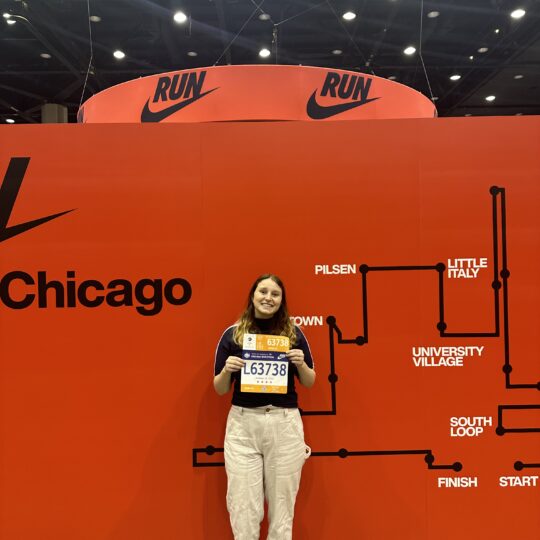
There’s no feeling quite like crossing the finish line of your first marathon. From the cheering spectators to receiving your finisher’s medal, the adrenaline and excitement is unforgettable for any runner.
As you’re training for a marathon, you have this one-of-a-kind finish line experience and culmination of all your hard work to look forward to. However, getting to that point of being able to run 26.2 miles doesn’t just happen overnight.
Whether you’re a beginner or an experienced runner, completing a full marathon is a daunting task. Marathon training takes lots of time, strength, and persistence. And if you’ve just signed up for a marathon, the training process can seem overwhelming.
Luckily, while marathon training may be challenging, anyone who sets their mind to it can get to that finish line and earn their medal. But if you have a marathon coming up, or are even considering signing up for a race, it’s crucial to know everything that goes into marathon training so you can stay healthy and make it to that start line on race day.
Wondering what the marathon training process looks like and how long you should set aside for your training cycle? Here’s your guide to everything you need to know about marathon training.
What Exactly is a Marathon?
When most people think of marathons, they probably picture the hoards of people at the world-famous Boston or New York City Marathon. Or maybe they think of the elite athletes at these races, breaking records and leading the way for thousands of other runners.
Sure, these long-standing and storied races are some of the most popular marathons around. But today, marathon running isn’t just for the elite athletes. From major running events to small local races, a running boom is taking place around the world, with more and more people running – and completing – marathons.
But what exactly is a marathon?
The simple answer is that a marathon is a long-distance endurance race that’s 26.2 miles, or 42.2 km, long. While many marathons are run on roads and sidewalks, plenty of marathons also take place on trails and other terrains.
Legend has it that the first marathon dates back to ancient Greece, when Greek messenger Pheidippides ran 40 km from Marathon to Athens to announce the Greek victory over the Persian army.
While there’s a lot of debate about the accuracy of this story, the more modern take on the marathon began at the 1896 Olympic games. Today, nearly 1.1 million people complete this ultimate fitness and strength test every year.
With so many people turning to running to get outside and improve their fitness, there are countless resources and tools for every runner considering signing up for their first marathon. From online guidance to specific training plans, runners of all skills and experience levels can enjoy all the excitement and both physical and mental benefits that come with running and marathon training.
So, How Long Does it Take to Train for a Marathon?
The short and simple answer is that most marathon training plans take about 16-20 weeks to increase mileage and safely build up to marathon distance. But like so many other aspects of running and racing, there isn’t a one-size-fits-all answer for how long it takes to train for a marathon.
Factors that Impact Marathon Training
Every runner has different needs and preferences when it comes to finding the right training plan for them. Here are a few factors to keep in mind when choosing a plan and how these factors might impact how long your marathon training should take.
Base Fitness Level
One of the biggest factors that plays a role in marathon training is your base fitness level. Whether you’re starting from zero or have plenty of running experience, the right marathon plan will help you build a strong base and increase your mileage over time without overdoing your training and jumping right into long runs.
If you’re going from couch to marathon, a 24-30-week training plan will help you slowly build up endurance and miles. These plans may encourage more run-walk method workouts to slowly work up to longer distances compared to the standard 16-20-week plans.
While training time depends on each individual runner, most intermediate runners can train for a marathon in as little as 16 weeks. This allows for plenty of time to build up long-run mileage and work towards time and distance goals while still taking previous running experience into account.
More advanced runners who maintain a high weekly mileage in their daily lives can usually complete their marathon training cycle in around 12-16 weeks.
Existing Injuries
Injuries, tightness, and soreness are an unfortunate but often inevitable part of most runner’s lives. While there are steps you can take to avoid injuries as you ramp up your mileage, be sure to take any existing injuries or pain into account before diving into a marathon training plan.
If you already have an injury or are prone to common running injuries, you may want to allow yourself a longer training schedule to work in extra rest days.
Pretty much no marathon training goes exactly according to plan, so don’t beat yourself up if you’re dealing with some pain and need to sit out a run or take an extra recovery day. If you’re worried about injuries, find a longer training plan that incorporates plenty of rest and will be easier on your body as you build up mileage.
Schedule and Lifestyle
Between stretching and foam rolling, long run days, and other race day preparation, marathon training can quickly start to feel like a full-time job.
While many of us may wish we could dedicate all our free time to running and marathon training, that’s just unfortunately not realistic between work, leisure activities, and other day-to-day responsibilities.
When searching for the right marathon training plan, look for an option that you know can work around your daily life. If a quicker training plan doesn’t fit your lifestyle, there are plenty of options closer to 20 weeks that accommodate a busy schedule while still allowing you to train and prepare for your marathon.
Marathon Goals
One of the greatest parts of this current marathon craze is that people of all ages, experience levels, and abilities can come together and support each other at local or major races. With that, nearly every runner has different goals and aspirations when it comes to marathon training.
Maybe you want to break a previous PR or finally crush a sub-3:00 marathon. Or maybe you simply want to get to the finish line. No matter what your goal is, there’s a marathon training plan that can help you reach it.
More experienced runners looking to improve their time will benefit most from training plans centered around speed work and getting their times down. However, if you’re more focused on reaching the end without stopping, look for longer training plans with a greater focus on long-run days and increasing your daily mileage over time.
What Does Marathon Training Look Like?
Like the amount of time it takes to train, there’s no set answer for what marathon training looks like. However, there are a few things you’ll come across in nearly every training plan that you should keep in mind if you’re considering running a marathon.
Weekly Mileage Increase
Running is a high-impact sport, and increasing mileage during marathon training can quickly lead to injury if not done correctly.
Nearly every training plan encourages runners to gradually add mileage to help build endurance and strength without causing overuse injuries. Typically, running coaches suggest a 10-20% weekly mileage increase during training. However, this increase differs for every runner. Make sure you’re increasing your mileage in a way that feels comfortable for you and your body.
Types of Runs
While daily mileage is the crux of your marathon training, marathon training plans typically include a variety of different runs and workouts. These can include:
- Long Runs – Once a week, runners should typically complete a long run that progresses in distance throughout marathon training. These runs help improve endurance, cardiovascular health, and mental toughness.
- Tempo Runs – Tempo, or threshold runs, are designed to test your stamina and keep you pushing through tough and challenging runs. Tempo runs vary in distance but should be done at a fast yet manageable pace for you. Your suggested tempo pace can often be measured by your 10k or half marathon pace.
- Interval/Speed Workouts – Shorter intervals and other speed workouts are fantastic ways to increase aerobic capacity and work on building speed throughout marathon training. 800 repeats, hill sprints, fartleks, or other types of speed training can help you improve your fitness and push the pace when it matters most on race day.
- Recovery Runs or Cross Training – After a hard workout, it’s important to let your body rest and recover. This can be done through slow-paced recovery runs or cross-training on the bike or elliptical.
Tapering
Towards the end of your training cycle, you’ll reach your longest training run. Typically, this long run should be between 18-22 miles.
Once you complete this last long training run, it’s time to start tapering. This usually occurs a few weeks before your marathon. Throughout these weeks, you’ll decrease your mileage and intensity to ensure you feel fresh and ready to run on race day.
Marathon Training Tips and Tricks
Now that you know how long it takes to train for a marathon and what that training involves, you’re ready to dive into all the other marathon training tips and tricks you need to get to the finish line.
- Find the right gear: Before you even hit the road for your first run, make sure you have all the gear you need for fun, comfortable, and pain-free runs. At your local Marathon Sports, experts will use the Right Fit process to help you find the perfect pair of running shoes to carry you through marathon training. They’ll also help you find any apparel, recovery tools, and running gear you need to succeed.
- Play around with nutrition: Nutrition and hydration are a key part of marathon training. And you don’t want to get to the big day without knowing what works best for you. Be sure to try out different gels and electrolytes throughout your training to see what makes the biggest difference in your runs. Check out some options for hydration belts and vests too so you can stay healthy and hydrated.
- Establish a warm-up and cool-down routine: While sticking to a training plan will help you avoid overuse injuries, establishing an effective warm-up and cool-down routine is another great way to ensure you can make it to the start line. Try some dynamic stretching before a run and make sure to cool down, stretch, and roll when you’re done.
- Incorporate strength training: A few times a week, try adding some lifting and strength training into your running routine. Strength exercises will help you work different muscles and prevent injuries during your training program.
- Go easy on yourself – and your body: Training for a marathon is no easy feat. It’s high-impact, tough on your body, and takes a lot of mental and physical toughness. It’s ok to give yourself some leeway when training doesn’t go your way. Be sure to listen to your body and rest when you need to.
- Turn marathon training into a social event: Marathon training doesn’t have to be something you go through alone. Look for group runs in your area to meet other people in the same boat as you. You can share training tips and give advice, and you may even start seeing familiar faces at different running events!
- Sign up for other local races: Watching all the excitement and prestige of major marathons each year can be inspiring, and it’s understandable you might want to jump right into a marathon after watching them. But there’s no reason you need to start at 26.2 miles. You can get your feet wet by signing up for a local 5K or 10K and building a strong base before taking on a full marathon.
Why Sign Up for a Marathon?
At Marathon Sports, we know that running can be a huge part of someone’s life. But if you’re a beginner runner or tentative to sign up for your first race, it’s normal to be unsure if all the training and hard work that comes with a marathon is worth it.
We’re here to tell you that there are so many benefits that come from signing up for a marathon, or even just running for fun. Physically, as you train for a marathon and increase your mileage, you’ll improve your cardiovascular health, endurance, and overall strength and fitness levels.
But there’s more to running than the physical benefits. Running releases endorphins that improve your mood and help reduce stress. Research even shows that it can have huge mental health benefits.
While running itself can have a huge positive impact on your physical and mental health, signing up and completing a marathon can be even more beneficial. Having a goal to work towards can motivate you to get outside, join running communities, and build your confidence. And when you cross that finish line, there’s nothing greater than the sense of accomplishment and pride that comes with achieving your goal.
Marathon Training: Final Thoughts
It’s no secret that marathons can be intimidating, even to the most advanced runners. But with the right training plan and mindset, you can make it to race day feeling confident and prepared.
For most people, marathon training takes about 16-20 weeks. However, this number can vary based on a huge number of factors. While advanced runners can often go with quicker training plans, beginner runners may want to consider taking 24 weeks or longer to prepare for their race.
Every runner is completely different, so it’s important to find a plan that works for you. When you find one that works with your base fitness level, schedule, and preferences, you’re ready to start your training and work towards calling yourself a marathoner.
Still not sure where to start, or just need to stock up on nutrition, recovery tools, and running gear? Stop by Marathon Sports today to talk to a specialist and make sure you have everything you need to be ready for race day!