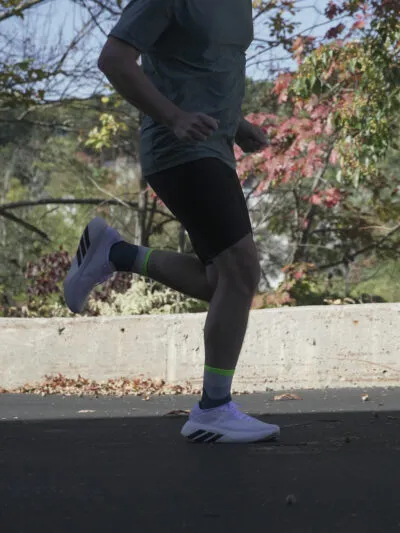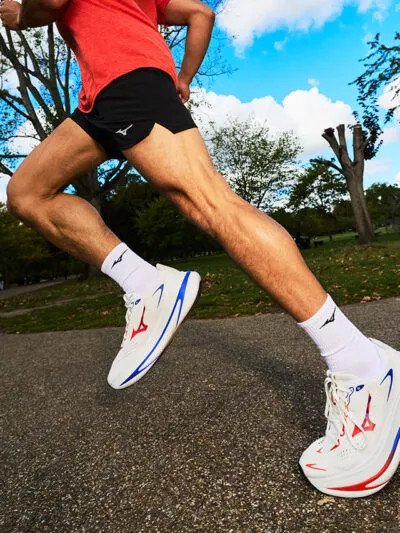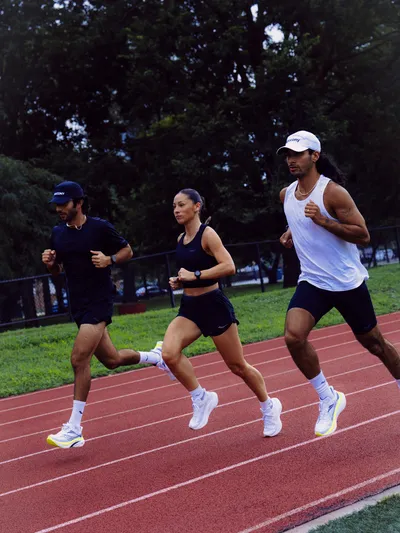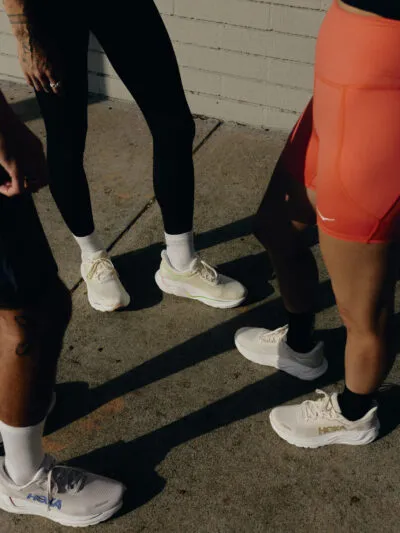
No single running shoe reigns as the best for all runners. That’s because different runners have varying foot shapes, running styles, prior injuries, and personal preferences. However, several vital characteristics define a great running shoe.
A quality running shoe is typically durable, lightweight, supportive, cushioned, and comfortable. The support and cushioning a runner prefers affects their decision when choosing a running shoe.
Our reviewers set out to find the best women’s running shoes for 2026. They researched, logged miles in each shoe, and reviewed their findings, all while taking into account the differences between men’ and women’s feet and some of the structural differences that may benefit women runners and walkers. This list includes the 15 best running shoes they found, varying in style, cushioning, support, and more.
The 15 Best Women’s Running Shoes for 2026
- Brooks Ghost 18
- HOKA Clifton 11
- Altra Torin 9
- Topo Atmos 2
- On Cloudmonster 3
- Saucony Ride 19
- Asics Gel-Nimbus 28
- Brooks Adrenaline GTS 25
- Puma Deviate Pure NITRO
- Asics Gel-Cumulus 28
- Adidas Supernova Rise 3
- HOKA Bondi 9
- Mizuno Wave Sky 9
- Saucony Triumph 24
- New Balance Fresh Foam X 880 v15
Brooks Ghost 18


Tried and tested for more than a decade, the Brooks Ghost has proven itself year after year as one of the best women’s running shoes.
A stand-out characteristic of the Ghost 18 is its soft yet responsive cushioning. The latest edition features Brooks’ new DNA Loft v3 midsole, a lightweight, nitrogen-infused foam that delivers a plush feel without sacrificing energy return.
The Brooks Ghost features a stack height of 36 mm in the heel and 26 mm in the forefoot, providing fantastic impact absorption without sacrificing stability and groundfeel. More recent iterations also dropped from a 12 mm offset to a 10 mm offset, promoting a slightly more natural stride.
Additionally, Brooks upgraded the Ghost 18’s upper to a more breathable air mesh with a soft and flexible flat knit tongue. Our review team noted that this refined upper provided additional softness and structure to the upper, all while providing a secure and comfortable fit around the foot. Between the reliable cushioning and supportive upper, the Ghost 18 is a fantastic go-to shoe for everyday training and long runs.
HOKA Clifton 11


Hoka running shoes are praised for their ample cushioning, and the Clifton 11 is known as the company’s best shoe for daily training. The cushioning is undoubtedly what grabbed our reviewer’s attention, as they stated the shoe felt soft and energetic from the first stride to the last. Our long-distance runners praised the Clifton 11 for comfort, which felt “almost like running on clouds”.
Available in medium and wide widths, the Hoka Clifton 11 features a spacious toe box that is especially comfortable and breathable for women with wider feet. Toe pain and blisters were non-existent even when running extremely long distances. This women’s running shoe weighs only 8.34 ounces, making it one of the lightest yet most well-cushioned shoes on our list and one of the best Hoka running shoes.
Altra Torin 9


Altra running shoes are some of the most esteemed in the industry. Building on the success of the stylish and best-selling Torin 8, the Torin 9 enhances your running experience with new P35X midsole cushioning. This daily trainer is perfect for those who regularly pound the pavement on runs but want to limit the impact on their joints. One of the most significant updates to this longtime classic includes a lighter and more breathable mesh upper that molds to your foot and a new Vibram XS Run AW outsole for more grip.
Of course, wearers can still rely on Altra’s signature FootShape design to allow their feet to comfortably spread through the sneaker and encourage more natural foot mechanics. This is further enhanced by Altra’s FootPod outsole technology that adds flexibility to the shoe, supporting the foot’s natural movement through every stride. Even more importantly, all of these benefits don’t weigh runners down, with the Torin 9 weighing in at just around 8 ounces.
Topo Atmos 2


While many people think women’s feet are just smaller versions of men’s, the truth is that women traditionally have different foot shapes and arches compared male counterparts. With higher arches, narrow heels, and wider forefoots, women often have different running shoe needs to adapt to differences in foot structure and function.
That’s why we’re so excited to see brands like Altra and Topo that deliver a narrow fit in the heel and midfoot with a wider, anatomical fit in the toe box. The Atmos 2 from Topo is one example of this, offering lots of plush cushioning with a design that fits all foot shapes and sizes.
The recycled mesh upper hugs the foot in the heel, while the plush ZipFoam cushioning provides extra support under the arch. And in front of the shoe, the wide toe box allows feet to naturally splay out for maximum comfort on walks or runs.
On Cloudmonster 3


The On Running women’s Cloudmonster isn’t your average running shoe. “Cloud” is in the name because it is undeniably one of the most cushioned yet responsive shoes our team has tested.
The Cloudmonster 3 draws its comfort from On Running’s triple-layered CloudTec adaptive cushioning technology combined with their premium Helion midsole foam. The Nylon Speedboard offers impact protection, energy return, and softer landings to protect joints.
This comfort extends around the foot with a light and breathable knit upper. And with a pronounced rocker geometry, this neutral shoe is designed to maximize the comfort and cushioning underfoot without sacrificing propulsion and responsiveness on any type of run.
Saucony Ride 19


With a responsive and bouncy PWRRUN+ midsole, the Ride 19 offers a balanced underfoot feel with solid energy return, especially compared to some of its main competitors. While there’s plenty of cushioning to absorb impact, the stable base and responsive foam makes the shoe incredibly versatile from uptempo training runs to long distances.
Our review team members were big fans of how the shoe fit. You can enjoy a locked-in heel and secure midfoot wrap, with plenty of space up front to avoid pressure through the toes. This fit was especially nice during long runs when feet tend to swell.
Saucony went super thin on the upper, which is no surprise. Breathability has always been a selling point, and the Saucony Ride 19 stuck with it, offering lots of airflow and ventilation.
What we really love about the Ride is how consistent it’s felt throughout generations and up to the current model. Between short jogs, marathons, or any other miles, this shoe offers reliability and comfort you can count on.
Asics Gel-Nimbus 28


The Gel-Nimbus 28 is step-in comfort done right. The combo of FF Blast+ foam and PureGEL in the heel makes for a soft, quiet, cushy shoe that’s main job is to protect from impact. There’s also a lot of foam underfoot, with the full max-stack setup. It doesn’t feel unstable, however. Asics did a bang-up job width-wise, so there’s a lot of control atop all that foam.
The Hybrid ASICSGRIP outsole is worth mentioning. A lot of our reviewers were surprised by how well it holds on both dry and wet surfaces, which isn’t always a given for road shoes. It’s nice to have a bit more confidence on longer runs.
The upper leans more structured than soft. There’s a decent lockdown without slippage, and it actually works well in colder weather since it’s not super airy. And with lots of padding along the heel collar, you can expect long-lasting comfort for long runs or recovery days.
This is very much an easy-day shoe if you want something soft and protective.
Brooks Adrenaline GTS 25


The Adrenaline has been in production since the 90s, and has become one of the most well-known running shoes in the industry. And yes, the popularity goes beyond hype.
This time around, Brooks made a big change with the DNA Loft v3, which is a softer feel than older Adrenalines. However, it doesn’t compress much, which is why it holds up well over long distances.
They still have the integrated GuideRails technology for stability. It does a wonderful job of promoting a natural stride.
It’s also incredibly breathable with the flat-knit upper, even though it has a glove-like fit. There’s decent heel lockdown and security around the midfoot, but there’s also enough space up front to wiggle your toes in.
Puma Deviate Pure NITRO


Puma shoes are renowned for their lightweight designs and responsive cushioning. And don’t get us wrong, we like a huge range of the brand’s running shoe models. But many of its more cushioned shoes can feel bottom-heavy and overbuilt. The Deviate Pure NITRO dials this back, offering a sleek, lightweight, and bouncy shoe perfect for everyday miles or more uptempo runs.
A full slab of NITROFOAM gives this shoe a responsive, high-performance feel. It’s not the softest shoe on the list – we’d liken it more to a firm mattress with some excellent rebound built in.
The fit runs narrow through the midfoot with decent lockdown, while the forefoot opens up a bit. If you’re narrow-footed, you’ll feel dialed. If you have a wider foot, you might feel a little squeezed. Fortunately, the engineered mesh is soft, flexible, and cushioned for all-around luxury.
On the bottom, PUMAGRIP outsole rubber is still one of the stickiest setups out there. It’s just as solid a shoe on the sidewalk as it is on a dusty dirt road.
Asics Gel-Cumulus 28


This neutral trainer leans hard into comfort, without sacrificing its moderate stack height and stable feel. Fans of comfortable, lightweight shoes will like what it has to offer.
Asics switched in FF BLAST MAX foam with PureGEL in the heel, and the step-in feel is nothing but plush. Heel strikers can get behind the soft, cushioned landings, which is nice for longer runs. Just note that if you’re used to a shoe with an Asics model with a bit more return, like the Novablast, this one might feel a bit flat.
The upper is thin, breathable, and very Asics in the way it disappears on the foot. The FLUIDRIDE outsole durability is a strong point. There’s plenty of rubber, and it grips well without picking up debris (rare, but appreciated).
The weight dropped to around 7.8 oz, making the Gel-Cumulus an easy, breezy shoe for daily training.
Adidas Supernova Rise 3


adidas doesn’t usually lean soft with its shoes, which is one of the most surprising things about the Supernova Rise 3. There’s noticeably more cushioning than before, particularly in the heel, and it really changes how the shoe feels. Several of our heel striker reviewers are in favor of the change.
The midsole uses Dreamstrike+ (PEBA-based foam). It’s comfortable, definitely “premium plush,” but the rebound is pretty muted. It leans more toward a daily trainer than a competitive shoe. That said, there’s also a bit more weight this time around, which we suppose is the tradeoff for added comfort.
adidas added a touch more rocker, which helps smooth everything out. It isn’t forced like some high-rockered shoes, but the transitions feel a little easier than before. The 8mm drop keeps it pretty neutral.
Underneath, the redesigned outsole with LIGHTTRAXION rubber offers the high level of grip and durability most runners expect from an adidas shoe. Exactly what you’d expect from adidas.
HOKA Bondi 9


HOKA is synonymous with cushioning, and they upped it even more for the Bondi 9 by increasing the stack height and introducing a new, super-critical EVA foam midsole. Our reviewers felt the lightweight, full-length midsole foam and redesigned, ultra-durable outsole made this a top pick for the best women’s running shoes this year.
The HOKA Bondi 9 features a refined 3D molded heel collar and a structured knit upper with zonal ventilation, offering a secure, comfortable fit that adapts to your foot. To boost durability without compromising the shoe’s lightweight feel, HOKA placed Durabrasion rubber on high-wear areas of the outsole, helping you get more miles out of every pair. Additionally, the rearfoot-focused Active Foot Frame technology cradles the heel upon landing, delivering added structural support and a more stable, cushioned ride.
We were pleasantly surprised to find that the women’s shoe still weighed in at just 9.3 ounces despite the added cushioning and width.
Mizuno Wave Sky 9


Looks like Mizuno finally stopped shying away from the max-cushion trend and just leaned into it. This thing is stacked, soft, and unapologetically built for impact protection.
They moved away from that old “bubble” look and went with a more sculpted midsole that flows from heel to toe. The forefoot comes up just enough to propel you forward without needing a big rocker. Pair that with the geometry change (about 7 mm more stack in the forefoot and a drop closer to ~6 mm), and it’s a much better shoe form for midfoot and forefoot strikers.
Underfoot, the cushioning is thick, plush, and absorbs a ton of shock. Don’t expect much snap back, however. As for the knit, Mizuno did an excellent job implementing a super high-quality, breathable material. Our reviewers are huge fans of this shoe for recovery runs.
Saucony Triumph 24


Saucony woke up the foam with this one. The old foam could feel a bit flat or stiff after lots of miles, but the Triumph 24 incorporates a new IncrediLUX cushion for plusher landings with more rebound than ever before.
You’re still getting plenty of stack underfoot, so it’s good for longer miles, but it also stays pretty stable for how much cushioning is there, which isn’t always the case with softer setups. This is due to the wide flared base, which provides more security and stability throughout the gait cycle.
The shoe is lighter than its predecessors, even with a grippy and durable XT-900 outsole. However, the overall fit is what came as the biggest surprise. Saucony has never been the most consistent with its fits, and previous versions of the shoe have run relatively narrow. Luckily, this version offers plenty of room in the toe box, with an accommodating and well-padded mesh upper that will work for a huge range of runners.
One underrated upgrade: the Super Responsive Sockliner. Our reviewers are big fans of it, and we honestly wish more shoe brands with premium stacks would put more effort into their insoles.
New Balance Fresh Foam X 880 v15


Last year’s New Balance Fresh Foam X 880 v14 was a breath of fresh air for minimalist runners looking for a comfortable and dependable shoe with a straightforward design. The New Balance Fresh Foam X 880 v15 builds on that foundation, offering even more cushioning underfoot while keeping the weight light at just 8.4 ounces.
The improved cushioning comes from New Balance’s remastered Fresh Foam X technology, now crafted with 3% bio-based content for a softer, more sustainable ride. To enhance shock absorption, they also increased the stack height slightly, providing added joint protection with each stride. Despite the boost in cushioning, the shoe maintains a fairly responsive feel, allowing for efficient transitions mile after mile.
The 880 v15 has also kept up with the running shoe trend of an engineered mesh upper that is lightweight yet snug. New Balance’s rugged blown rubber outsoles make them a favorite of long-distance runners, as they can stand up to miles of wear without compromising stability.
The 880 tends to run slightly wider than many other models, making it a good choice for those who prefer a little room in their running shoes. Fans of comfort and practicality will also love the reduced weight and improved cushion of the 880 v15.
Find Your Stride in Shoes Designed for Women
For decades, running shoes were considered virtually unisex. They were designed for a male foot shape, and women simply purchased smaller sizes. However, avid female runners experienced foot pain, blisters, and even a greater chance of injury.
That’s because women don’t just have smaller feet than men; they have different foot shapes. Generally, women have narrower heels and wider forefeet. Women’s feet are more triangular, while men’s feet are more rectangular. Women who continuously wore men’s running shoes experienced a variety of setbacks.
Women require running shoes designed for their feet to reach their full potential in the sport. Thankfully, shoe companies now understand why women’s running shoes are so important, and numerous varieties are available.
Our Running Shoe Criteria
Our reviewers based their opinions of the best women’s running shoes on several criteria.
Comfort
The shoe must remain comfortable from the first mile to the last. Shoes that caused blisters or foot pain were immediately eliminated.
Cushion
The shoe should absorb shock on landings. This helps keep the runner comfortable and reduces the chance of injury.
Stability
Some running shoes are specifically designed for stability. However, all running shoes, even ultra-lightweight ones, must provide a certain level of stability to keep the runner safe and comfortable without restricting foot or ankle movement.
Weight
Nobody wants a running shoe that feels bulky and weighs them down. We searched for shoes that provide the right cushioning while remaining lightweight.
Let’s Hit the Streets
Our goal in testing and reviewing the best women’s running shoes for 2026 is to provide you with a variety of quality options. Narrowing down the list of possibilities means you can choose a durable, comfortable, and supportive shoe and get out running sooner.
Don’t forget to consult our Marathon Sports representatives about our Right Fit™ system, designed to connect you with the best running shoes based on your foot shape, running style, prior injuries, preferences, and more. We’re here to help you reach your running and fitness goals. Visit Marathon Sports online or in-store today!