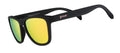
Goodr OG Sunglasses
Sunglasses
price:$30.00 – 35.00
Free returns and exchanges for 30 days Return Policy


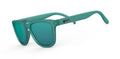


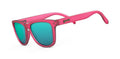


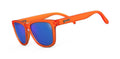

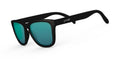




Shoe and Gear Reviews

Shoe and Gear Reviews
Shoe and Gear Reviews

Shoe and Gear Reviews
Running sunglasses help protect your eyes from harmful UV rays while improving visibility during outdoor workouts. Bright sunlight can cause squinting, eye strain, and discomfort, especially during longer runs.
A quality pair of running sunglasses provides UV protection and helps shield your eyes from wind, dust, and debris. They can also make it easier to see changes in terrain while running on roads or trails.
For more advice on choosing suitable eyewear, read our summer running eyewear guide.
Finding the right sunglasses for running starts with comfort, fit, and functionality. Lightweight frames reduce pressure around your nose and ears, while rubberized nose pads and temple grips help prevent slipping as you move.
Look for lenses offering 100% UVA and UVB protection. Impact-resistant materials and adequate lens coverage are also useful for outdoor activities.
Ventilation is another important feature, particularly during warm-weather workouts. Frames designed to promote airflow can help reduce fogging caused by sweat and humidity.
Polarized running sunglasses feature specialized lenses that filter reflected glare from surfaces such as water, pavement, and wet roads. This can improve vision and overall comfort during sunny runs.
Polarized lenses are particularly useful for runners who frequently encounter strong reflections. However, polarization is different from UV protection, so checking the UV rating remains important.
Some polarized lenses can also make certain digital screens harder to read. Consider your running environment and how often you check your watch before choosing a pair.
The best running sunglasses should feel secure without squeezing your head or creating uncomfortable pressure points.
Consider frame shape, lens coverage, and your typical running conditions. Wraparound designs offer additional coverage, while adjustable or grippy components can help keep frames in place.
Brands such as Goodr and Tifosi offer lightweight eyewear that blends function and style for active lifestyles.
Different running environments call for different lens features. Darker lenses can improve comfort under bright sunlight, while lighter tints may be more suitable for overcast conditions.
For trail running, consider eyewear with durable frames and sufficient coverage against branches, dust, and debris. Road runners may appreciate polarized lenses that reduce glare from reflective surfaces.
Sunglasses also complement other warm-weather essentials. Check out our summer running tips for additional ways to prepare for outdoor workouts.
At Marathon Sports, our selection of running accessories helps runners find practical options suited to their routines. Shop with Marathon Sports to shop running eyewear and other essentials for your next workout. With 32 locations across New England, our team can also help you explore gear that fits your needs.
Yes. Runners who need vision correction can choose prescription running sunglasses or sport frames designed to fit over regular glasses. Prescription sport sunglasses may offer a more streamlined fit, while over-glasses designs provide an alternative without replacing your existing eyewear.
Running sunglasses can last several years with proper care. Their lifespan depends on frame quality, lens materials, frequency of use, and storage habits. Replace them when scratches interfere with visibility or the frames become damaged.
Yes. Running sunglasses can help shield your eyes from rain and wind. Clear or lightly tinted lenses are generally more practical during rainy conditions because they preserve visibility in lower light.
Photochromic lenses automatically adjust their tint in response to changing UV exposure. They can be useful for runners moving between sunny and shaded areas, although their response time and tint range vary by lens.
Rinse your sunglasses with lukewarm water to remove dirt and debris. Use a small amount of lens-safe cleaner when necessary, then gently dry them with a clean microfiber cloth. Avoid wiping dry, dusty lenses, as particles can scratch the surface.
Yes. Many marathon runners wear sunglasses to improve visual comfort during daylight races. Choose a familiar pair that stays comfortable over long distances, and test it during training runs before race day.
Gray lenses generally maintain natural color perception, while brown or amber lenses can enhance contrast in certain conditions. Rose and yellow tints may also improve contrast, depending on lighting. Choose a tint based on visibility needs rather than appearance alone.
Interchangeable lenses can be helpful for runners who train in different lighting conditions. They allow you to switch between darker, lighter, or clear lenses without purchasing multiple frames. However, changing lenses requires compatible frames and proper handling.
Store your sunglasses in a protective case when they are not in use. Avoid placing them lens-side down on rough surfaces, and rinse away dirt before cleaning. Proper storage and cleaning help preserve lens clarity.
Yes. Many running sunglasses are suitable for walking, hiking, cycling, and other outdoor activities. However, certain sports require specialized eyewear with additional impact protection or specific safety ratings.