Salomon Adv Skin 12 Hydration Vest
Storage
price:$165.00
Free returns and exchanges for 30 days Return Policy













Shoe and Gear Reviews

Shoe and Gear Reviews
Shoe and Gear Reviews

Shoe and Gear Reviews
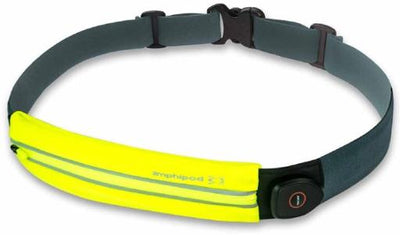
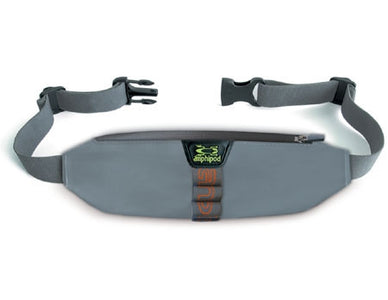
A running belt is a lightweight accessory designed to hold personal items while you run. Worn around the waist, it provides storage for essentials like your phone, keys, energy gels, and small water bottles without requiring a backpack or handheld bag.
Running belts come in different sizes, materials, and designs to accommodate various running distances and preferences. They’re a practical addition to your running gear, especially if you prefer keeping your hands free during workouts.
Running belts make carrying essentials more comfortable and convenient. Their compact design keeps belongings close to your body, reducing unnecessary movement while running.
A properly fitted belt can also minimize bouncing and shifting, helping you maintain a natural running stride. Many options feature adjustable straps, stretchable pockets, and moisture-resistant materials for added comfort.
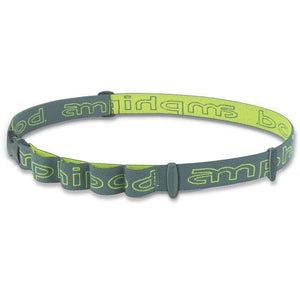
For runners preparing for longer distances, a belt can hold nutrition and other long run essentials that may be needed throughout a workout.
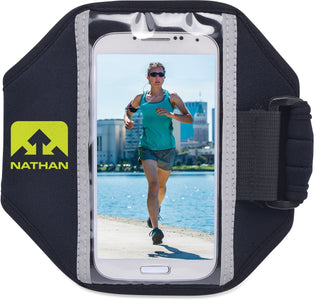
A running belt for phone storage offers a simple way to carry your device without holding it or placing it in an unsecured pocket.
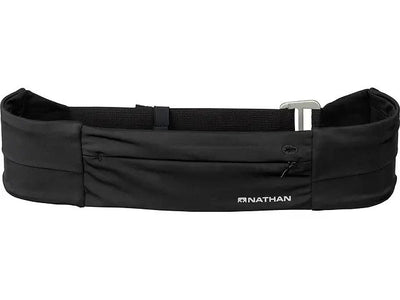
Many running belts feature expandable compartments that accommodate different phone sizes. Some also include separate pockets or clips for keys, cards, and other valuables.
Look for a belt with a secure closure and a snug fit to prevent items from bouncing. Lightweight, breathable materials can also help reduce discomfort during warm-weather runs.
A hydration belt is designed for runners who need immediate access to water during longer workouts. These belts typically feature dedicated bottle holders alongside storage compartments for smaller essentials.
Depending on the design, hydration belts may accommodate one larger bottle or multiple smaller bottles to distribute weight around the waist.
Choosing the right hydration setup depends on your running distance, personal preferences, and access to water along your route. Our guide on how to carry water on runs dives into additional options for staying hydrated.
You can also explore our running hydration selection for gear suited to different training needs.
Finding a comfortable running belt starts with considering what you plan to carry and how far you typically run.
For shorter distances, a slim belt with enough space for a phone and keys may be sufficient. Longer runs may require additional compartments for nutrition or a hydration-focused design.
Pay attention to waist adjustability, pocket accessibility, and fabric construction. A belt should sit securely without feeling restrictive or shifting excessively during movement.
Trying different styles can help you determine which design works best for your running routine.
At Marathon Sports, we help runners find gear that supports their individual needs and training goals.
Browse our selection of running accessories and hydration solutions to find a belt that fits your routine. You can also visit one of our New England stores for personalized guidance from our knowledgeable team.
With the right running belt, you can keep your essentials organized and accessible throughout every mile.
Yes, running belts are commonly used during marathons to carry personal items and race-day nutrition. Check the event’s rules regarding permitted gear and practice wearing your belt during training to get accustomed to it before race day.
A running belt generally works best when positioned around your natural waist or slightly lower on your hips. The ideal placement depends on your body shape and the belt’s design. Choose a position that feels comfortable and stays secure during movement.
Yes, many slim running belts can be worn underneath shirts or jackets. Low-profile designs are particularly suitable for runners who prefer keeping their belongings concealed. Make sure the belt remains accessible when you need to retrieve your items.
Running belts can be useful for trail running, particularly on shorter routes where extensive equipment isn’t necessary. However, technical trails or remote routes may require hydration packs or vests with additional carrying capacity for safety supplies, navigation tools, and extra hydration.
Cleaning instructions vary by manufacturer, but many running belts can be hand-washed using mild detergent and cool water. Avoid harsh chemicals and excessive heat, which may damage elastic materials or protective coatings. Always check the product’s care label before washing.
Yes, running belts are versatile accessories suitable for walking, hiking, and other outdoor activities. Their compact design makes them perfect for carrying small belongings without needing a larger bag.
Not all running belts are waterproof. Some feature water-resistant fabrics that provide limited protection against light rain and sweat. For additional protection, look for models with waterproof compartments or use a protective pouch for electronics.
A running belt may cause chafing if it rubs against the skin, fits improperly, or shifts repeatedly during movement. Choosing a smooth, breathable material and adjusting the belt correctly can help minimize friction. Wearing it over clothing may also improve comfort.
A running belt’s lifespan depends on its construction, frequency of use, and maintenance. Regularly inspect elastic straps, stitching, buckles, and zippers for signs of wear. Proper cleaning and storage can help extend its usability.
Yes, a hydration belt can supplement on-course water stations by allowing you to carry your preferred fluids. Check the race’s hydration rules and consider the distance between aid stations when deciding how much water to bring.