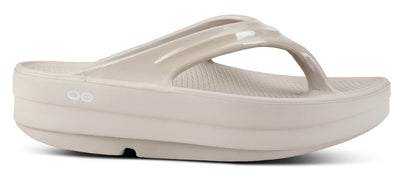
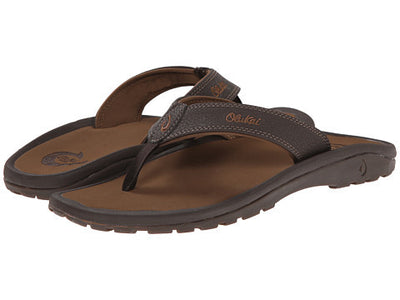
OOFOS Unisex OOriginal Flip Flops
Recovery
price:$47.95 – 59.95
Free returns and exchanges for 30 days Return Policy
















Shoe and Gear Reviews

Shoe and Gear Reviews
Shoe and Gear Reviews

Shoe and Gear Reviews
Recovery sandals are designed to provide cushioning and support for your feet after physical activity. Unlike traditional sandals, they typically feature soft footbeds, supportive designs, and materials that help reduce pressure underfoot.
After a demanding workout, comfortable footwear can be a welcome addition to your routine. Along with proper hydration, rest, and other strategies for recovering from a long run, recovery sandals offer a comfortable option for post-run wear.
Running places repeated stress on your feet, making comfortable footwear especially appealing afterward. Recovery sandals often feature cushioned midsoles that absorb impact during walking and supportive footbeds that accommodate your feet.
Their easy-to-wear designs also make transitioning out of running shoes convenient. Pairing comfortable footwear with the best post-run stretches can help you establish a consistent post-workout routine.
Recovery sandals are also practical for everyday activities, including relaxing at home, running errands, or walking around after training.
Recovery sandals and recovery slides share similar goals, but their designs can differ.
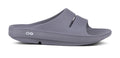
Recovery slides typically feature a single wide strap across the foot and an open-back design. They’re convenient to slip on after workouts and provide easy access for everyday wear.
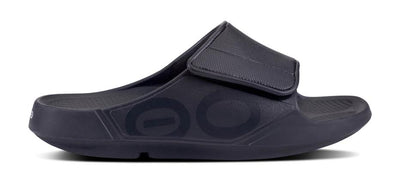
Recovery sandals may include additional straps or adjustable closures for a more secure fit. Some designs offer greater foot coverage, making them appealing for longer periods of casual walking.
Both styles can provide cushioning and support. The better choice depends on your preferred fit, intended activities, and comfort needs.
The best recovery sandals should feel comfortable, supportive, and appropriate for your daily activities.
Look for cushioned footbeds that provide a soft landing underfoot without feeling unstable. Arch support is another consideration, particularly if you prefer a more contoured footbed.
Fit also matters. Your sandals should accommodate your feet without excessive movement or pressure from the straps.
Brands like OOFOS focus on cushioned recovery footwear. Browse our OOFOS Brand Spotlight to learn more about the brand’s approach to comfort and recovery-focused designs.
Start by considering how and where you’ll wear your sandals. Recovery slides are perfect for relaxing after a workout or slipping on after a long run, while sandals with adjustable straps can offer a more personalized fit for everyday activities. Think about how often you’ll wear them and the level of support you prefer.
Pay attention to cushioning, arch shape, and how securely the footwear stays on your feet. A cushioned footbed should feel comfortable without being too soft or unstable, while the arch support should match your foot’s natural shape. Make sure there’s enough room for your toes and that the straps don’t cause rubbing or unnecessary pressure.
At Marathon Sports, our in-store process, the Right Fit™, considers your movement, comfort preferences, and footwear needs. Through a personalized consultation and visual gait analysis, our team can help you shop footwear options that complement your running routine and everyday activities.
Find comfortable footwear for your post-run routine at Marathon Sports. Check out our selection of recovery sandals and slides alongside other running recovery gear designed to complement your training.
With 32 locations across New England, our team is available to help you find footwear that suits your preferences. You can also shop online and enjoy free standard shipping on U.S. orders over $74.95.
Recovery sandals can be worn throughout the day if they provide adequate comfort and support. However, they may not be suitable for activities requiring more secure footwear, such as running or hiking.
You can wear socks with recovery slides based on personal preference. Socks may help reduce friction and provide additional warmth, particularly during cooler weather.
Some recovery sandals feature cushioning and arch support that may feel comfortable for people experiencing plantar fasciitis. However, they aren’t a substitute for medical treatment, and individual footwear needs vary.
Many recovery sandals use water-resistant foam or synthetic materials, making them suitable for occasional exposure to moisture. Always check the manufacturer’s care instructions, as water resistance varies by product.
The lifespan of recovery sandals depends on their materials, frequency of use, and walking surfaces. Replace them when the cushioning becomes noticeably compressed, the outsole wears down, or the fit changes.
Yes, recovery slides can provide comfortable footwear after strength training sessions. They’re perfect for changing out of athletic shoes once your workout is complete.
Some recovery sandals accommodate wider feet through roomy footbeds or adjustable straps. Check the product’s sizing recommendations and make sure your feet don’t extend beyond the edges.
Most foam recovery sandals can be cleaned using mild soap, lukewarm water, and a soft cloth. Avoid excessive heat and harsh cleaning products unless the manufacturer recommends otherwise.
Many recovery sandals are suitable for casual outdoor use, including short walks and errands. Check the outsole’s traction and durability before wearing them on wet, uneven, or slippery surfaces.
Many foam recovery sandals feel comfortable immediately, although some may take time to adjust to your feet. Persistent rubbing, pressure, or discomfort can indicate that a different size or style would be better.