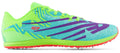
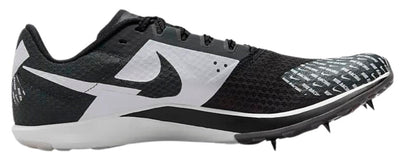
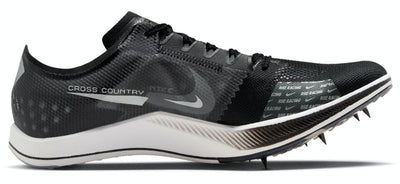
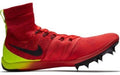
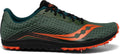
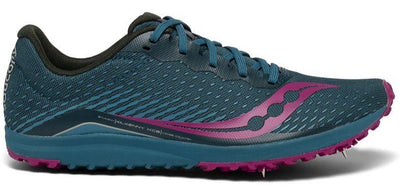
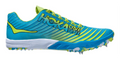
Nike Unisex ZoomX Dragonfly XC 2
Shoes
price:$169.99
Free returns and exchanges for 30 days Return Policy







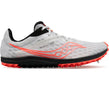






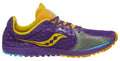

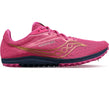
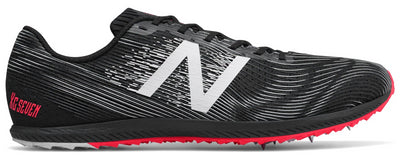


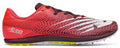

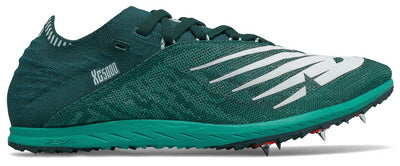











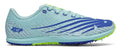
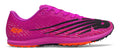


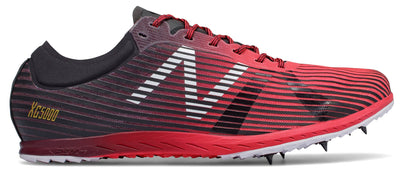
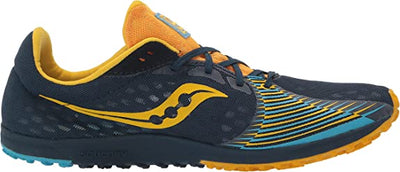
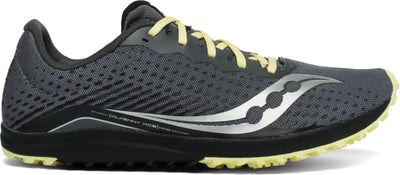

Shoe and Gear Reviews

Shoe and Gear Reviews

Shoe and Gear Reviews

Shoe and Gear Reviews
Cross country shoes are designed to handle the changing surfaces runners encounter during training and competition. From grassy fields and muddy trails to uneven dirt paths, the right footwear provides traction, stability, and comfort throughout each run.
At Marathon Sports, we offer a selection of cross country footwear for runners of different experience levels. Explore our men’s cross country shoes to find options suited for practices, meets, and competitive racing.
Finding the best cross country shoes starts with understanding your individual training needs and preferences. Course conditions, running frequency, and personal preferences all influence which shoes will work best. For muddy or slippery courses, prioritize aggressive traction that helps maintain grip. On firmer surfaces, lightweight footwear with responsive cushioning may be more comfortable.
Fit also matters. Shoes should feel secure around the heel and midfoot while allowing enough room for natural toe movement. Our in-store Right Fit™ process uses a 3D scan, visual gait analysis, and personalized recommendations to help runners find footwear that fits right and suits their movement.
Cross country running shoes have specific features that distinguish them from traditional road running footwear. Outsole traction is particularly important because cross country courses often include grass, dirt, and loose terrain. Durable materials help shoes withstand demanding conditions, while breathable uppers promote airflow during intense efforts.
Weight and flexibility also affect performance. Lightweight designs can support quicker movements, while a secure fit helps keep feet stable through turns and uneven sections. Browse our women’s cross country shoes to explore footwear designed for different running needs.
Race day footwear should match the course conditions and competition requirements. Cross country racing spikes are popular among competitive runners because they offer lightweight construction and added traction on soft surfaces.
Spikes typically feature removable metal pins that grip grass and dirt. However, some courses restrict spike use, so checking race regulations before competing is important. For help comparing racing options, read our guide to the best cross country running spikes, which explores footwear options for competitive cross country runners.
Training shoes serve a different purpose than racing spikes. Daily cross country workouts often involve longer distances and repeated impact, making cushioning, durability, and comfort important considerations. Many runners prefer supportive training shoes for regular mileage and reserve lightweight spikes for competitions or specific speed sessions.
Training surfaces also influence shoe selection. Road running shoes may work for pavement-heavy workouts, while trail running shoes can provide additional traction on uneven ground. Explore our guide to the best cross country training shoes to learn more about choosing footwear for everyday workouts.
At Marathon Sports, we help runners find cross country shoes that match their goals, preferences, and running routines. Our Right Fit™ process includes a personalized consultation, 3D scan, visual gait analysis, and carefully selected footwear recommendations. This approach helps us identify options that feel natural and comfortable for each runner.
Shop our cross country footwear online or visit one of our 32 New England locations for personalized fitting assistance. We also offer free standard shipping on U.S. orders over $74.95 and a 30-day return and exchange policy.
Cross country shoes can be worn on pavement occasionally, but racing spikes are unsuitable for extended road use. Hard surfaces can wear down spike pins quickly and make running uncomfortable. For workouts involving significant pavement mileage, road running shoes are generally a better choice.
The lifespan of cross country shoes depends on their construction, running frequency, and terrain. Training shoes often last approximately 300 to 500 miles, although rough surfaces can accelerate wear. Racing spikes may last several seasons with proper care and limited use.
Cross country shoes should fit snugly enough to prevent unwanted movement without squeezing the toes. Racing spikes generally have a closer fit than everyday trainers. Runners should still have sufficient room to move their toes comfortably, especially during longer races.
Beginners can wear cross country racing spikes, particularly when participating in organized competitions. However, runners new to spikes should gradually introduce them during shorter workouts before wearing them in a race. This allows them to identify pressure points and adjust to the different feel.
Most cross country shoes are not fully waterproof. Many prioritize lightweight, breathable materials that allow moisture to escape. Waterproof options are available in some trail running categories, although they may retain water if moisture enters through the ankle opening. You may want to consider breathable options that help drain water and moisture instead.
Remove excess mud using a soft brush after allowing it to dry. Clean remaining dirt with mild soap and lukewarm water, then let the shoes air-dry naturally. Avoid direct heat sources, which can damage adhesives and shoe materials.
Some cross country racing shoes can be used on certain track surfaces, depending on the spike configuration and facility regulations. However, track-specific spikes are generally better suited to track events because their construction is designed for those surfaces.
Cross country shoes benefit from a few shorter runs before competition. This helps runners assess comfort, identify potential pressure points, and become familiar with the footwear. Shoes that cause persistent discomfort should be reassessed rather than relying on a break-in period.
Many cross country racing shoes feature removable spike pins that can be replaced when worn or damaged. Replacement pins must match the shoe’s threading and the competition’s permitted spike length. Some racing models use fixed traction elements instead.
One suitable pair may be sufficient for recreational runners. Competitive athletes often benefit from having separate training shoes and racing spikes. Using different footwear for daily mileage and competitions can help preserve racing shoes and accommodate different running demands.