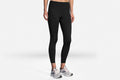
Tracksmith Turnover Tights
Women's
Layering
price:$108.00
Free returns and exchanges for 30 days Return Policy















Shoe and Gear Reviews
Shoe and Gear Reviews

Shoe and Gear Reviews
Shoe and Gear Reviews
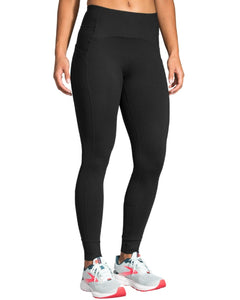
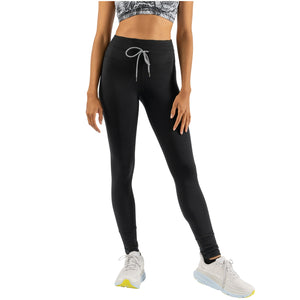
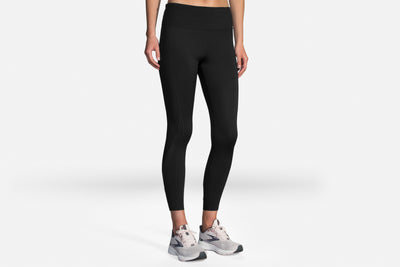
The right running apparel should move naturally with your body while providing the coverage and comfort you need for the miles ahead. Compression tights offer a close-to-body fit that reduces excess fabric and makes layering easier as temperatures change.
Depending on the style, runners can also find practical features such as secure pockets, adjustable waistbands, breathable materials, and moisture-managing fabrics. These details can make tights a versatile option for everyday mileage, longer training sessions, and cooler running conditions.
Our selection of Running Tights includes options suited to different training routines, temperatures, and fit preferences. Think about where you typically run, the weather you encounter, and how much coverage you prefer when choosing a pair. Having tights that match your routine can help you stay comfortable through changing seasons and different types of workouts.
Start with fit. Compression tights should feel secure without unnecessarily restricting your natural running motion. The right fit should stay comfortably in place as you move, reducing the need for frequent adjustments during your run.
Fabric also matters, especially as your mileage increases. Stretchy, moisture-managing materials can help keep you comfortable through daily runs, speed workouts, and longer efforts. Details such as flat seams, supportive waistbands, and breathable panels can also contribute to overall comfort.
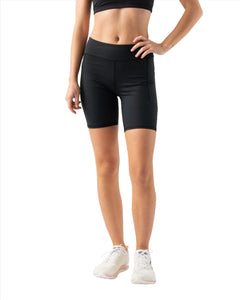
Think about the conditions you typically encounter, too. Full-length tights provide additional coverage on cooler days, while lighter fabrics and shorter lengths may work better during transitional weather. Your preferred level of warmth and coverage can help determine which option belongs in your running rotation. If temperatures call for less coverage, browse our Running Shorts for more warm-weather options.
The best running tights should complement how you train and feel comfortable throughout each run. Waistband construction, inseam length, fabric weight, stretch, and pocket placement can all affect how a pair performs during daily miles or longer workouts.
Some runners prefer lightweight tights for everyday training, while others look for added coverage and warmer fabrics when temperatures drop. Features such as secure pockets can also provide convenient storage for keys, cards, or running nutrition.
Our women’s and men’s bottoms make it easy to compare different lengths, fits, and styles based on your running needs. Consider the conditions you regularly train in, how much coverage you prefer, and which features are most useful during your runs. The right pair should fit comfortably into your routine while giving you the freedom to move naturally.
Your running routine can help narrow down the right compression tights for your needs. Consider your typical mileage, local weather, preferred amount of coverage, storage needs, and how you like your running apparel to fit. Details such as fabric weight, stretch, waistband construction, and pocket placement can also influence how comfortable and practical your tights feel during training.
At Marathon Sports, we have been helping runners, walkers, and fitness enthusiasts find the right gear since 1975. With 32 locations throughout New England, our in-store team can help you find apparel and gear based on your goals, routines, and movement. Our approach reflects The Right Fit™ process, which starts with understanding each customer before making personalized gear recommendations.
Yes. Compression tights can be useful in wet conditions because their close fit limits loose, water-soaked fabric. Look for quick-drying materials and consider the temperature before choosing the thickness of your tights.
Yes. Many compression tights can also be worn for walking, gym workouts, cross-training, and other fitness activities. The best option depends on the movement and coverage required for the activity.
This comes down to personal preference and the construction of the tights. Some runners wear moisture-wicking underwear underneath, while others prefer wearing tights on their own to minimize extra layers.
Running tights should generally be washed after each sweaty workout. Always follow the garment’s care label, since washing and drying recommendations can vary by fabric and construction.
It depends on the garment. High heat can affect some stretch fabrics, so check the manufacturer’s care instructions before machine drying your tights.
There is no set number. Runners who train several times per week may benefit from having multiple pairs available so they can rotate tights between workouts and washes.
Pockets are optional, but they can be convenient for carrying small running essentials. Depending on the design, tights may include side or zippered pockets for items such as keys, cards, or running nutrition.
Yes. Some runners wear shorts over compression tights for additional coverage, warmth, or personal preference. This combination can also make it easier to adjust running apparel for cooler conditions.
Full-length tights typically extend to the ankle, while 7/8 tights finish slightly above it. The preferred length can depend on height, desired coverage, weather, and personal style.
Consider replacing running tights when the fabric becomes excessively stretched, the waistband stops staying in place, seams become damaged, or the material develops areas of significant wear.