
Key Takeaways:
- Purpose and Design: Track spikes are lightweight athletic shoes with specialized plates and traction elements designed for track and field events.
- Types and Features: Sprint, distance, and field event shoes differ in plate stiffness, cushioning, and spike configurations to suit specific activities.
- Choosing the Right Pair: Your event, foot comfort, track surface, and competition rules can help determine which track spikes are appropriate.
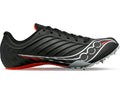
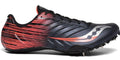
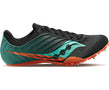
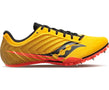
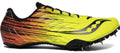
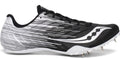
What are track spikes, and how do they differ from regular running shoes? Track spikes are lightweight, event-specific footwear designed to maximize traction and power transfer during track and field competitions.
They feature specialized plates and sharp, removable pins that help runners securely grip the track surface. Because every event has unique demands, individual designs are optimized to match the movement of sprinting, distance running, or field events.
At Marathon Sports, we’ve been helping runners find footwear suited to their needs since 1975. Through our in-store Right Fit™ process, we consider each runner’s movement, goals, and footwear preferences to help narrow down suitable options. And this process doesn’t just work for everyday trainers. Understanding how track spikes are designed can make it easier to choose footwear for a specific event.
In this guide, we’ll discuss the different types of track spikes, how spike plates and pins work, the differences between track and cross country spikes, and what to consider when choosing the right pair.

What Are Track Spikes and How Do They Work?
Track spikes are lightweight, event-specific shoes designed to help athletes maintain traction on the track. Unlike standard running shoes, they typically feature a specialized outsole with spike pins that grip the track surface during acceleration, turns, and push-offs. Their construction varies depending on each event’s specific demands.
What Makes Track Spikes Different From Running Shoes?
Track spikes have several features that distinguish them from everyday running footwear:
- Spike Pins: Removable metal or ceramic-tipped pins that provide traction on compatible track surfaces.
- Spike Plate: A structured section of the outsole that holds the pins and influences how stiff the shoe feels.
- Lightweight Upper: Thin, supportive materials that help secure the foot without adding unnecessary weight.
- Event-Specific Cushioning: Minimal cushioning in many sprint models, with more underfoot protection in certain distance spikes.
These features can help athletes maintain grip during faster efforts, although their effectiveness depends on the shoe, event, and running surface.
What Are the Different Types of Track Spikes?
The different types of track spikes are designed to accommodate the demands of specific track and field events. Some prioritize a firm, responsive feel for short races, while others offer additional cushioning or support for longer distances and field events.
Here are the main types of track spikes and what sets them apart:
- Sprint spikes (100m, 200m, 400m): Feature stiff forefoot plates, minimal cushioning, and a snug fit to support explosive movements during short races.
- Middle-distance spikes (800m, 1,500m): Balance responsiveness, flexibility, and moderate cushioning for events that combine speed with sustained running.
- Distance spikes (3,000m, 5,000m, 10,000m): Often include more cushioning and plates designed for the demands of longer track races.
- Jump spikes (long jump, triple jump, high jump): Provide event-specific traction, stability, and support for approaches and takeoffs.
- Throwing shoes (shot put, discus, hammer throw): Typically feature smooth or textured outsoles for controlled gliding or rotational movements rather than traditional spike pins.
Which Type of Track Spike Should You Choose?
Your primary event is the best starting point. Sprinters may prefer a firmer, more aggressive design, while distance runners may benefit from additional cushioning during longer races. Athletes competing in multiple events can consider versatile models suited to their event combinations.
Speed and experience level can also influence which track spike you should choose. Beginner track athletes should take a look at entry-level options designed around comfort and protection. However, some track spikes incorporate carbon plates and more responsiveness for maximum speed and propulsion. Experienced or elite track runners may want to consider these premium, higher-end track spike options.
For available options, browse our men’s track and field shoes or women’s track and field shoes collections. Pay attention to the intended event, fit, and construction rather than choosing based on appearance alone.

Track Spike Plates and Pins Explained
Track spike plates and pins work together to influence traction and how the shoe feels underfoot. The plate provides structure, while removable pins grip compatible track surfaces. Understanding their differences can help runners choose footwear suited to their events.
How Spike Plate Design Affects Performance
Spike plates vary in length, stiffness, and material to match how your foot naturally moves. Full-length plates extend across the outsole and are found in sprint models that prioritize a firm, highly responsive feel for maximum power. Partial-length plates concentrate structure beneath the forefoot, allowing comfortable flexibility through the midfoot and heel.
Many modern track spikes incorporate rigid carbon fiber plates to maximize energy return. However, a stiffer plate is not always ideal for every runner, especially when moving across different race distances or training routines.
Choosing the Right Spike Pins
Spike pins vary in shape and length. Pyramid pins are most common for synthetic tracks, while needle and Christmas tree designs offer more aggressive traction on different surfaces.
Many track facilities limit pin length to 6 mm, although permitted sizes and shapes vary. Check the facility’s requirements before installing pins, since certain designs may be restricted.
Track Spikes vs. Cross Country Spikes: Key Differences
The main difference between track spikes and cross country spikes is the terrain they’re designed for. Track spikes generally feature specialized plates and shorter pins for synthetic tracks, while cross country spikes often have more flexible outsoles and accommodate longer pins for grass, dirt, and mud.
Cross country models may also provide additional underfoot protection for uneven terrain. Track spikes, meanwhile, vary in cushioning and stiffness depending on the racing distance and event.
Can You Use Track Spikes for Cross Country?
Some distance track spikes may work on firm, dry cross country courses, but they’re not always suitable for muddy or uneven conditions. Sprint spikes, with their typically rigid plates and minimal cushioning, are generally less appropriate for off-road racing.
If you regularly compete on grass or dirt, dedicated cross country footwear may be a better option. Our guide to the best cross country running spikes covers options designed for off-road competition.

Final Thoughts
Choosing track spikes starts with understanding your event, running surface, and preferred fit. Sprint spikes generally prioritize stiffness and traction, while distance models often balance responsiveness with cushioning. Before purchasing, consider the shoe’s plate design, pin setup, and overall comfort during movement.
At Marathon Sports, our in-store Right Fit™ process considers your goals, movement, and footwear preferences through personalized consultations and visual gait analysis. Our team can help narrow down suitable footwear options based on your individual needs as you prepare for your next track season.
Frequently Asked Questions About Track Spikes
Do beginners need track spikes?
Beginners don’t necessarily need track spikes, especially when learning proper running technique or participating in recreational track workouts. However, athletes entering competitive track events may benefit from event-specific spikes once they’re comfortable using them.
Can you run on a track without spikes?
Yes, you can run on most tracks in regular running shoes. They are suitable for warm-ups, training sessions, and recreational running. Track spikes are primarily used for competition and certain speed-focused workouts.
Should track spikes fit tighter than running shoes?
Track spikes generally have a snugger, more secure fit than everyday running shoes to help reduce unwanted foot movement. However, they shouldn’t cause pinching, numbness, or discomfort. Your toes should still have enough room to move naturally.
Can you wear track spikes on pavement?
Track spikes generally aren’t recommended for pavement. Their pins and specialized plates are designed for compatible track surfaces, and wearing them on hard roads or sidewalks may damage the pins, reduce traction, or cause discomfort.
How often should you replace track spike pins?
Replace track spike pins when they become noticeably worn, bent, damaged, or difficult to grip with a spike wrench. Replacement frequency depends on how often you use them and the surfaces you run on. Inspecting them before competitions is a useful habit.
Are track spikes allowed in every track meet?
Track spikes are permitted in many competitive track meets, but rules can vary by event, facility, and governing organization. Some venues restrict spike length or pin shape, so check the competition guidelines before race day.
Can you use the same track spikes for sprinting and distance running?
Some versatile models may accommodate multiple events, particularly middle-distance races. However, dedicated sprint spikes tend to have stiffer plates and less cushioning than distance spikes, making them less suitable for longer races.
How long do track spikes typically last?
Track spike lifespan depends on training frequency, running surfaces, and shoe construction. Because many models use lightweight materials, they may show wear sooner than everyday running shoes. Replace them when the upper, plate, or outsole becomes damaged or the fit changes noticeably.