Key Takeaways:
- Preventing Friction: Chafing occurs when repeated rubbing irritates the skin, especially when sweat and moisture increase friction during runs.
- Choosing the Right Gear: Well-fitting, moisture-wicking clothing and anti-chafe products can help reduce irritation in areas prone to rubbing.
- Managing Irritation: Addressing discomfort early and caring for affected skin after running can help prevent further irritation.
How can you prevent uncomfortable skin irritation during a workout? Learning how to prevent chafing starts with reducing friction, managing sweat, and choosing clothing that fits properly for your body. Chafing while running commonly affects the inner thighs, underarms, nipples, and areas where waistbands or seams repeatedly rub against your skin during a workout.
At Marathon Sports, we help runners find apparel and gear that feel comfortable across different distances, weather conditions, and training routines. We understand how small details, from fabric texture to the placement of clothing seams, can affect comfort during a run. Choosing suitable gear is one practical way to address common sources of irritation.
In this guide, we’ll explain why chafing happens, how to protect vulnerable areas, what to wear to reduce friction, and how to care for irritated skin when discomfort occurs.

Why Does Chafing Happen While Running?
Chafing occurs when repeated friction irritates the skin, often causing redness, stinging, or a burning sensation. During a run, this friction can come from skin rubbing against skin or clothing repeatedly brushing against sensitive areas. Common trouble spots include the inner thighs, underarms, nipples, and areas around sports bras or waistbands.
Sweat can make the problem worse by leaving skin damp and increasing irritation from repeated rubbing. Heat, humidity, and longer workouts may also contribute, especially when clothing becomes saturated. Understanding how moisture affects running comfort is useful, and these summer running sweat facts provide additional context for exercising in warmer conditions.
Chafing isn’t limited to hot weather or long-distance runners. It can develop during shorter workouts, particularly when clothing fits poorly, seams create pressure, or certain areas experience repeated contact. Recognizing where irritation starts can help you choose more effective prevention methods before your next run.
How to Prevent Chafing While Running
Preventing chafing starts with protecting areas where repeated rubbing is most likely to occur. A few simple preparations before heading out can help reduce friction, particularly during longer runs or in warm, humid conditions.
Apply Anti-Chafe Products Before Running
For runners researching “anti chafing for runners,” protective balms and lubricants are a useful starting point. Products such as BodyGlide and SportShield create a barrier between surfaces that repeatedly rub together, helping reduce skin irritation.
Apply a thin, even layer to clean, dry skin before running, focusing on the inner thighs, underarms, nipples, and other areas where you’ve experienced discomfort. Our article on BodyGlide and SportShield for summer offers more information about these options.
Prepare for Heat, Sweat, and Longer Runs
Consider the weather and duration of your workout when planning how to protect your skin. On hot or humid days, sweat-soaked clothing and repeated movement can make existing friction points more uncomfortable.
Before longer outings, check whether your usual problem areas need additional protection. You may also need to reapply an anti-chafe product during extended runs, following its instructions.
For warm-weather preparation beyond skin protection, these summer running tips can help you plan around challenging conditions.
The goal is to identify your personal friction points and address them before discomfort begins, rather than waiting until your skin becomes irritated.
What Should Runners Wear to Avoid Chafing?
The clothing you wear can make a noticeable difference in preventing skin irritation. Look for running apparel that manages moisture, stays comfortably in place, and minimizes rubbing as you move. Understanding why running fabric matters can help you choose materials suited to your workouts.
Choose Fabrics and Fits That Reduce Friction
Lightweight, moisture-wicking fabrics such as polyester and nylon blends are excellent choices because they help move sweat away from your skin. Cotton tends to retain moisture, which quickly increases discomfort during longer or warmer runs.
Your fit matters just as much as your fabric choice. Clothing that is too loose can shift and rub repeatedly, while overly tight garments can create harsh pressure around seams and waistbands. Keeping these details in mind helps you choose running gear that feels natural and moves smoothly with your stride.
- Running shorts or tights: Look for smooth seams and a fit that limits rubbing between the thighs.
- Sports bras and tops: Check that bands, straps, and underarm areas stay comfortable as you move.
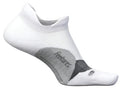
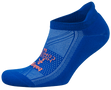
- Running socks: Choose moisture-wicking materials with minimal bunching to reduce friction around your feet.
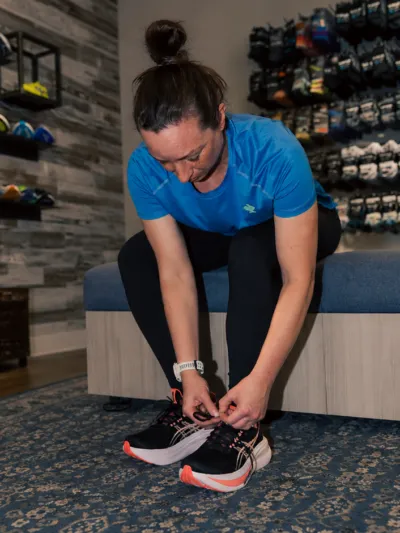
Try new apparel during shorter runs before wearing it for longer distances or races. This gives you an opportunity to identify uncomfortable seams or pressure points before they become a bigger problem.

What to Do When Chafing Occurs
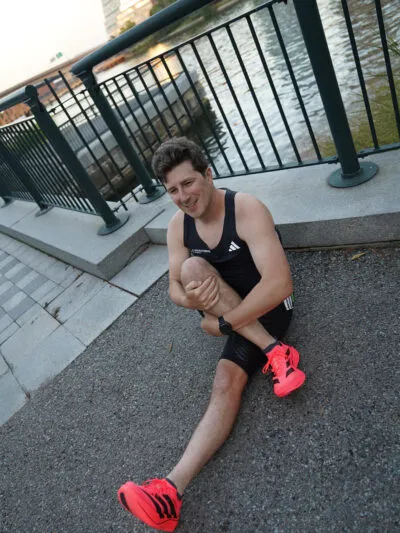
If you notice stinging or burning during a run, address the irritation before it gets worse. Slow down or stop to check the affected area, then adjust any clothing that’s causing friction. If the rubbing continues, cutting your run short may help prevent further skin damage.
After your workout, gently wash the irritated area with lukewarm water and mild, fragrance-free soap. Pat the skin dry with a clean towel rather than rubbing it. Once the area is dry, a thin layer of petroleum jelly may help protect mildly irritated skin while it heals.
Give the affected area time to recover before your next run. Wear loose, breathable clothing when possible, and avoid products that sting or further irritate the skin. If you notice spreading redness, increasing pain, swelling, pus, or irritation that doesn’t improve, seek advice from a healthcare professional.

Final Thoughts
Preventing chafing often comes down to noticing where friction develops and making small adjustments before your next run. A reliable combination of skin protection, comfortable clothing, and preparation for changing weather conditions can significantly reduce irritation, whether you are heading out for a short jog or a longer training session.
At Marathon Sports, we know that running comfort depends on more than finding the right shoes. Choosing apparel that suits your movement, preferences, and training conditions can make everyday runs much more enjoyable. Paying close attention to what works for your unique body helps you adjust your gear as your training needs change over time.
Frequently Asked Questions About How to Prevent Chafing
What areas are most prone to chafing while running?
Common areas include the inner thighs, underarms, nipples, groin, and skin beneath sports bra bands or waistbands. These spots experience repeated rubbing during movement, particularly when sweat and moisture increase irritation.
What is the best way to prevent thigh chafing while running?
Apply an anti-chafe balm to areas where your thighs rub together, and consider fitted running shorts or tights that provide comfortable coverage. Moisture-wicking fabrics may also help reduce dampness and friction during workouts.
Can you use petroleum jelly to prevent running chafing?
Yes, petroleum jelly can act as a protective barrier on areas prone to friction. However, it may feel greasy or transfer onto clothing. Running-specific anti-chafe products are another option, particularly for longer workouts.
Does sweating make chafing worse?
Sweating can contribute to chafing by leaving skin and clothing damp, making repeated rubbing more irritating. Hot and humid conditions may increase the likelihood of discomfort, especially during extended running sessions.
Is it better to wear loose or tight clothing to prevent chafing?
Neither is automatically better. Loose clothing may shift and rub against the skin, while overly tight garments can create pressure around seams. Choose running apparel that fits comfortably, stays in place, and allows natural movement.
How long does running chafing take to heal?
Mild chafing may improve within a few days if the area is kept clean and protected from further friction. More severe irritation can take longer. Seek medical advice if symptoms worsen, signs of infection develop, or the skin doesn’t improve.
Should you continue running if you have chafing?
It depends on the severity. Mild discomfort may improve after adjusting clothing or reducing friction, but continuing to run with painful or broken skin can worsen irritation. Allow affected areas to recover before resuming activities that repeatedly rub against them.
Can you prevent chafing during long-distance runs?
You can reduce the risk by applying anti-chafe products before running, wearing tested moisture-wicking apparel, and preparing for weather conditions. For extended sessions, carry a suitable product for reapplication if needed. Prevention may reduce irritation, but it cannot guarantee chafing won’t occur.