Key Takeaways:
- Blister Causes: Friction, moisture, pressure, and movement inside your shoes can contribute to blister formation during runs.
- Gear Selection: Properly fitting footwear and moisture-managing running socks can help reduce common sources of irritation.
- Foot Care: Monitoring hot spots and addressing discomfort early can help keep minor irritation from developing into painful blisters.
Blisters can make even a short run uncomfortable. Friction, moisture, and pressure are common contributors, so the right footwear and foot care can make a meaningful difference.
At Marathon Sports, we’ve helped runners, walkers, and fitness enthusiasts find the right gear since 1975. We have 32 New England locations, and our Right Fit™ process reflects decades of running, walking, and fitness expertise.
In this piece, we’ll discuss how to prevent blisters when running. We’ll cover how to choose the right shoes and socks to reduce friction and moisture that cause blisters.
What Causes Blisters When Running?
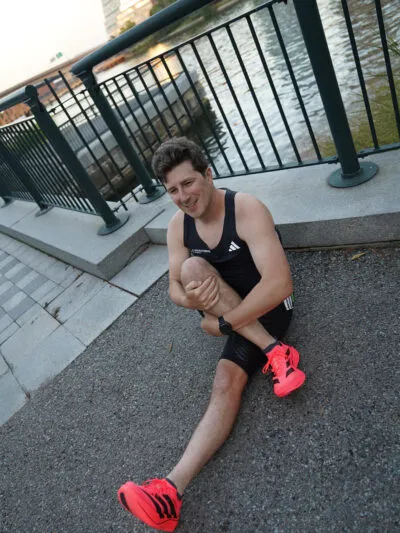
Blisters typically develop when repeated friction rubs against the outer layers of your skin. For runners, this often happens around the heels, toes, arches, and other areas where shoes or socks repeatedly contact the feet. Heat and moisture can also make the skin more susceptible to irritation, especially during longer runs.
Your footwear can also contribute to the problem. Shoes that are too tight may create excessive pressure, while shoes that are too loose can allow the foot to slide with every stride. Socks that bunch, retain moisture, or fit poorly can create additional friction. Identifying where blisters tend to form can help you determine what needs to change before your next run.
How to Prevent Blisters When Running
Learning how to prevent blisters when running starts with reducing friction and keeping your feet as dry and comfortable as possible. Check that your shoes fit securely without pinching your toes or allowing your heels to move excessively. If the same areas repeatedly become irritated, reconsider your shoe fit, sock choice, or lacing technique.
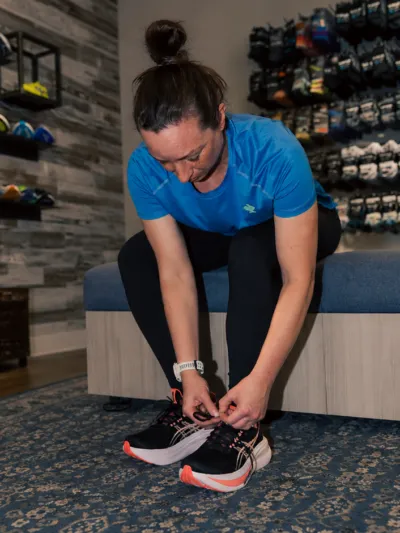
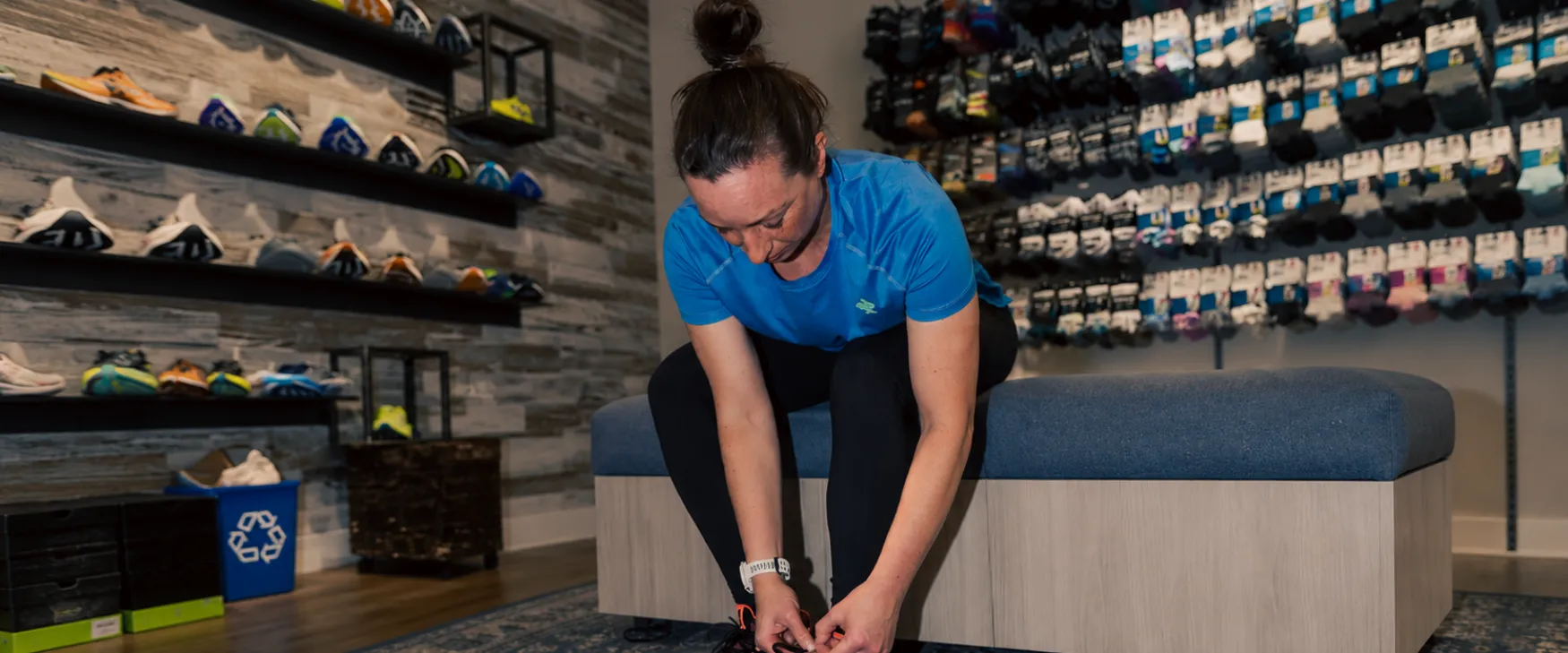
Marathon Sports’ Right Fit (Shoe Fitting Guide) can help you learn more about our fitting process. We consider your goals and routines, perform a visual gait analysis, and curate footwear options based on your individual movement and fit needs. A shoe that fits right and effectively supports your feet will help prevent blisters caused by excess movement or rubbing.
How to Pick Running Socks That Prevent Blisters
Wearing running socks that prevent blisters is just as important as choosing suitable shoes. Start with running socks made from moisture-managing materials. This prevents sweat from sitting against the skin, which reduces the conditions that contribute to friction and irritation.
Fit matters, too. Socks should sit smoothly against your feet without slipping, bunching, or folding inside your shoes. Consider cushioning and thickness as well, since these features can change how your feet feel and fit inside your running shoes.
Choose Properly Fitting Running Shoes to Prevent Blisters
A good running shoe should provide enough room for your toes without allowing excessive movement. Shoes that are too small can create pressure around the toes and sides of the feet, while oversized shoes may increase sliding and rubbing.
Remember that socks are a key part of preventing blisters. Options such as Feetures socks help wick away moisture and create a comfortable combination when paired with the right footwear. Test new shoes and socks on shorter runs before using them for higher-mileage training to ensure there are no blisters or hotspots

Keep Your Feet Dry and Reduce Friction While Running
Sweat, rain, and wet running conditions can leave your feet damp, which may make the skin more vulnerable to friction. Choose moisture-managing socks and avoid starting a run in damp footwear. For especially long runs, having a fresh pair of socks available can be useful if your current pair becomes soaked.
You can also explore options such as CEP Socks when considering your running sock setup. Regardless of the style you choose, make sure the socks fit smoothly and comfortably with your shoes. Pay particular attention to areas where you have experienced hot spots or blisters before.
Prevent Blisters on Long Runs With the Right Foot Care
Longer distances give repeated friction more time to irritate the skin, so address minor discomfort before it becomes a larger problem. If you notice a hot spot during a run, stopping to adjust your sock, shoe, or laces may help prevent continued rubbing. Avoid increasing mileage in brand-new footwear before you know how it feels over time.
Basic foot care also matters. Keep your toenails trimmed, give existing blisters or irritated areas time to recover, and regularly check the condition of your running gear. Shoes and socks that have become worn may fit or perform differently than they once did. Paying attention to these changes can help you make adjustments before discomfort interrupts your training.
Final Thoughts
Preventing blisters while running starts with paying attention to fit, moisture, and friction. Properly fitting shoes, comfortable running socks, and regular foot care can help reduce irritation during training. As your mileage increases, watch for hot spots and make adjustments early so minor discomfort does not develop into a painful blister.
Frequently Asked Questions About How to Prevent Blisters While Running
Can running blisters heal without stopping all physical activity?
Small, uncomplicated blisters may heal while you remain active, but continued pressure or rubbing can delay recovery. Consider activities that do not irritate the affected area and slowly return to running based on your comfort level.
Should you pop a blister caused by running?
In general, an intact blister provides natural protection for the skin underneath. Avoid intentionally popping it when possible. If a blister is unusually painful, large, or shows signs of infection, consider seeking medical advice.
How long does a running blister usually take to heal?
Healing time varies depending on the blister’s size, location, and severity. Minor blisters may improve within several days, while larger or repeatedly irritated blisters can take longer.
Can you put a bandage over a running blister?
Yes. A clean bandage or blister-specific dressing can protect the area from additional rubbing and contamination. Make sure the skin is clean and dry before applying the covering.
Why do I suddenly get blisters in shoes I have worn before?
Changes in mileage, running terrain, weather, foot swelling, and wear inside the shoe can affect how familiar footwear feels. Even a previously comfortable pair may begin creating friction under different conditions.
Do feet swell during long runs?
Feet can swell during prolonged running and exercise. Leaving appropriate room in your running shoes can help accommodate changes in foot volume as your run progresses, which in turn will help prevent blisters from forming.
Can running form contribute to recurring blisters?
Your movement pattern can influence where pressure and friction occur. If blisters repeatedly develop in the same location, consider how your foot moves inside the shoe in addition to checking overall fit.
Does running terrain affect the likelihood of getting blisters?
It can. Hills, uneven trails, and frequent changes in direction may cause your feet to shift differently inside your shoes. This movement can create friction in areas that do not typically become irritated on flatter routes.
Are toe blisters different from heel blisters?
Both result from irritation and friction, but their causes may differ. Toe blisters can be associated with pressure or toes rubbing together, while heel blisters are often related to repeated movement between the heel, sock, and shoe.
When should I see a healthcare professional about a running blister?
Consider professional medical care if a blister becomes increasingly painful, red, warm, swollen, or produces drainage, as these can be signs of infection. People with conditions that affect circulation or wound healing should also seek appropriate medical guidance.