We’re at that time of the year when temperatures are dropping, and the sun is setting earlier and earlier. But just because it’s getting colder out, it doesn’t mean you have to give up running for the season. In fact, running in the cold, darker winter months is a great way to boost your mood and maintain your fitness and cardiovascular health.
Marathon Sports has nearly 30 locations around New England, so our footwear experts are no strangers to brutal New England winters. Fortunately, over the years, our team has also gained a lot of insight into the best cold-weather running tips and how to keep yourself safe and warm as you tackle treacherous conditions.
In this guide, we’ll cover some of the best tips for winter running to help you avoid hanging up your running shoes during the tough, colder months.
Layer Up With Warm, Technical Apparel
Layering is key when you head out for a run in cold temperatures. You don’t want to get caught unprepared partway through a run, so make sure to check the conditions before heading out to ensure you’re dressed for the weather.
When layering up, you’ll want to focus on the layer closest to your skin first, such as a skin-tight base layer or a pair of warm running tights. For this top base layer, look for long-sleeve shirts made from a moisture-wicking material or wool blend designed to help moisture evaporate, such as the Tracksmith Brighton Base Layer or the Brooks Notch Thermal Long Sleeve 3.0.
There is a huge range of technical running tights out there that will keep you warm and comfortable on runs. While regular tights should be fine for temperatures above freezing, a good pair of thermal tights is guaranteed to keep your legs warm on even the coldest days of the year.
And be sure to leave the cotton apparel behind – cotton will absorb moisture, keeping you damp and uncomfortable on runs and making it more difficult to regulate body temperature in cold conditions.
Finally, as temperatures get even colder and you even start to see some snow and ice on the ground, you’ll want to add some additional outer layers made from water and wind-resistant material. For outer layers and shells, keep an eye out for a lightweight, breathable design, moisture-wicking material, and enough wind or water proofing/resistance to protect you from any forecasted temperatures, wind, or snow.

Protect Extremities With Warm Running Accessories
The right apparel will keep your arms and legs warm and help you regulate your body temperature on runs. But it’s also just as important to protect your ears, hands, and face when the temperatures drop.
Hats, headbands, and buffs protect your ears and head from frigid temperatures and harsh wind, while the latter can even improve breathing issues and lung inflammation associated with cold, dry air.
Gloves or mittens are another key accessory you won’t want to leave home without during the winter months. Warm, versatile gloves such as the Craft Essence Hybrid Glove protect your hands from the elements without sacrificing any freedom of movement, so you can enjoy maximum comfort in any weather condition.


Use Warm Accessories Head to Toe
Warm hats are crucial, but these warm accessories should extend down to your feet as well. Good running socks are important at any time of year, but can be especially crucial when it comes to keeping your feet warm during winter runs.
Like apparel, you’ll want to avoid any socks made from cotton that will absorb moisture and keep your feet wet and cold throughout your run. Brands like Feetures, Jogology, and Balega use synthetic, moisture-wicking fabric that improves insulation and keeps your feet dry and cozy.
Merino wool socks, such as those from Darn Tough, have also gained a positive reputation in extreme cold, and for good reason. Merino wool is extremely effective at regulating temperature, and with a variety of different cushion levels and heights available from Darn Tough, you’ll have plenty of sock options guaranteed to keep your feet warm and happy.
Hydrate and Fuel, Even if You Don’t Feel Thirsty
It’s easy to remember to fuel and hydrate when it’s warm out. But it’s just as important to remember to drink water and keep yourself fueled for your workouts, even if you don’t feel immediately thirsty during runs.
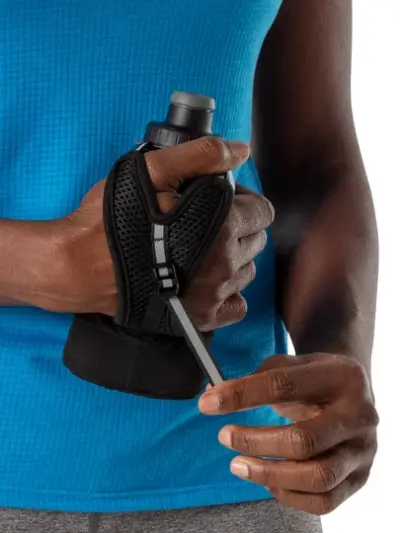
While you may not feel as hot and dehydrated as you do during the warmer summer months, you’re still sweating and burning calories during cold-weather runs. If you’re heading out for a long run, remember to pack some fuel, electrolytes, and water to replenish the sweat and calories you’re losing.
Don’t Skip Your Warm Up
We’ve all been guilty of skipping warm-ups and jumping straight into a run. However, during the colder months, ensuring you get a proper warm-up is more important than ever.
Try some dynamic stretching before heading out for a run to gradually warm up your muscles, reduce stiffness, and increase blood flow. Not only will your muscles feel better on your runs, but warming up inside will also improve your performance and reduce injuries caused by repetitive motion with stiff, cold muscles.
Focus on Safety and Visibility in Any Weather Condition
As you prepare for your run, be sure to check the forecast for any snow, sleet, rain, or ice. There’s nothing wrong with sticking to your training schedule when it’s snowing or icy, but you need the right tools to stay safe and prevent slipping and sliding all over the sidewalk.
If you have a shoe rotation, snowy days might be the perfect time to break out trail or hybrid shoes that will offer more grip and traction on the wet ground. If you don’t have trail shoes, you can add traction to your daily trainers with a pair of nano or micro spikes.
Another obstacle that comes into play during the winter is limited visibility due to storms or early sunsets. Headlamps or reflective vests are essentials during these colder months to ensure you stay safe and visible, especially in low-light conditions.
Find Ways to Keep Yourself Motivated
If you want to get your training miles in but find it hard to stay motivated during the colder, darker months, you aren’t alone. But luckily, there are plenty of ways to improve morale and motivation when you don’t feel like lacing up those running shoes.
First, having the right layers, apparel, and gear will make heading out into low temperatures way less painful. This holiday season, treat yourself to some reflective gear, warm wool socks, or a pair of toasty gloves that will make all your miles safer and more comfortable.
Another one of the best ways to build motivation is to find a running buddy or group that will hold you accountable and make you excited to head outside and brave the cold. Fortunately, our Marathon Sports run clubs meet year-round, so you can always find people to run and chat with at your local store.
Don’t be Afraid to Adjust Your Training Plans
The tips above are all great ways to stay warm and protected while running in the cold. But sometimes, the best thing you can do for your training is to adjust your plan and listen to your body.
There are plenty of precautions you can take in cold weather, but sometimes icy conditions, dangerously low temperatures, or excessive wind just aren’t worth the injury risk.
It’s always important to go easy on yourself while training, but this is especially true in cold winter months when the weather doesn’t always cooperate with your plans. Don’t worry if you need to take an unexpected day off or move a workout to a treadmill – you can always make it up when conditions improve.
Final Thoughts: Preparing for Cold-Weather Runs
As those warm summer days seem to be moving further and further away, it’s important that you’re taking all the necessary steps to stay safe and warm if you’re planning to run through the winter.
And whether you’re a beginner braving your first winter as a runner or an experienced athlete looking for some quick tips and inspiration, everyone can benefit from being prepared for cold-weather running.
Our Marathon Sports team is dedicated to helping you find all the tools you need to stay safe and visible this winter season. Stop by your nearest store today to talk cold-weather running tips or find some comfortable apparel, accessories, and more that will help you tackle any weather conditions in the upcoming winter months.