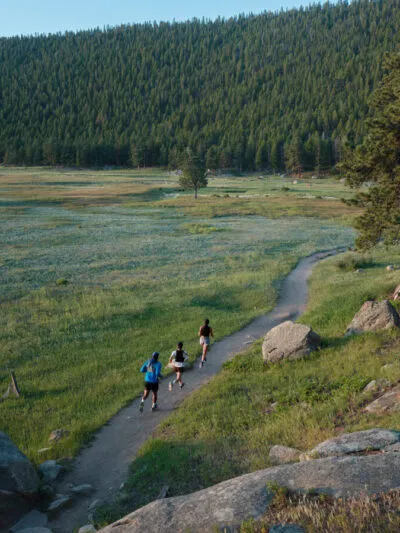
Trail running can be intimidating. There are more and more stories out there of ultra-marathoners scaling huge mountains, running for hours on end, and pushing themselves to the absolute limit.
At Marathon Sports, we understand that starting out in the offroad running space can feel overwhelming. But the truth is, everyone, even the most elite and experienced trail runners, were once beginners. Every athlete has to start somewhere.
Trail running participation has surged in popularity in recent years. More people are turning towards trail running as a new way to get outside, exercise, and challenge themselves with new goals. And if you’re interested in taking your running offroad, our team is here to help you find your footing.
We’re here to help you stay in motion, no matter where your adventures take you. Our team members have a vast range of experience running trails, trying out different trail running shoes and gear, and tackling different terrains over the years. So if you’re curious about trail running, you’re in the right place.
In this review, we’ll highlight some unique trail running benefits and offer some insight into how you can start your trail running journey. We hope this beginner’s trail running guide will help you feel prepared to take the leap, lace up some trail running shoes, and start your new offroad ventures.
Why Try Trail Running?
No matter where your runs take you, the sport is one of the best ways to get outside, get some exercise, and achieve your goals. But trail running offers some unique benefits that you might not always find with road or treadmill runs. Here are just a few reasons to consider trail running.
Physical Health Benefits
All forms of running build endurance, strength, and cardiovascular health. However, hitting the trails brings a wide range of other physical health benefits, including a boost in your balance and coordination.
Trail running requires you to adjust your stride and maneuver around roots and rocks as you run. This navigation through technical terrain engages your core, ankles, and entire body in a way that repetitive road running doesn’t, helping you build your balance, coordination, and stabilizing muscles.
The steep uphills and downhills in trails also boast some unique health benefits. This varying terrain and elevation changes help strengthen your quads, calves, core, and more. Over time with trail running, you’ll notice more strength and power in all of your runs and workouts.
Mental Health Benefits
Research shows that spending time in nature is associated with better health and well-being. Paired with other emotional health benefits such as improved mood, better ability to handle stress, and decreased anxiety, trail running offers a fantastic outlet for reducing stress and increasing mindfulness.
That’s not to mention the resilience and mental toughness that trail running builds. Nothing boosts confidence, grit, and determination more than summiting a challenging uphill, pushing through a tough run in bad weather conditions, or reaching any new fitness goal. After making it through a tough trail run, you’ll feel ready to overcome any obstacle that comes your way.
Reduced Injury Risk
Along with becoming repetitive, road running can also take its toll on the body. The monotonous movement can create lots of stress on joints and eventually lead to impact-related overuse injuries.
Trail running can provide some relief for your joints and muscles. Whether you’re on light trails, dirt paths, grass, or a variety of other terrains, soft surfaces can help reduce impact associated with running on concrete.
Using less repetitive motions and adapting your stride on trails will also help reduce the risk of overuse injuries. As you move around obstacles on the trails and power up and down hills, you’re expanding the muscles you use and building crucial strength that will help you stay balanced, stable, and injury-free.
Shifted Focus and Goals
With running, it’s easy to become fixated on speed and start to feel the pressure of time goals. But trail running forces you to slow down.
Pace tends to become less prevalent in your mind as you navigate tough trails. Runs become more about pushing through tough terrain and looking at the trail ahead of you as opposed to looking at a watch, so there’s less time pressure and more focus on being present and aware of your surroundings.
You also can’t always get into a rhythm and zone out when you’re out on trails. You need to be constantly aware of rocks, roots, and other debris in front of you. As a result, trail runs can often help you stay more present and focused on your individual goals and achievements.
And if you love running’s competitive nature, that isn’t something you have to sacrifice with trail running. You can always push yourself to take on new heights, reach new distances on trail, or cover a terrain in a specific time. There are also a huge range of trail races out there with stunning views and a unique chance to challenge yourself.
Explore New Areas and Have Fun
Trail running comes with lots of benefits to your fitness, health, and running experience. But simply put, trail running is just fun and a great way to explore the outdoors.
Whether you’re scrambling up mountains to enjoy scenic views or exploring flat local trails, trail running lets you spend time in nature and discover new places, all while enjoying an unmatched sense of achievement.
One of the best parts? There are very few barriers to entry. Anyone can trail run, regardless of experience level. Trails range from packed dirt paths to challenging rugged terrain, so there’s something for everyone out there.
Trail Running for Beginners: Where to Start
Ready to dip your toes into the rocky and exciting trail running world? Here’s our best tips, tricks, and advice for anyone looking to start their trail running adventure.
Gear Up
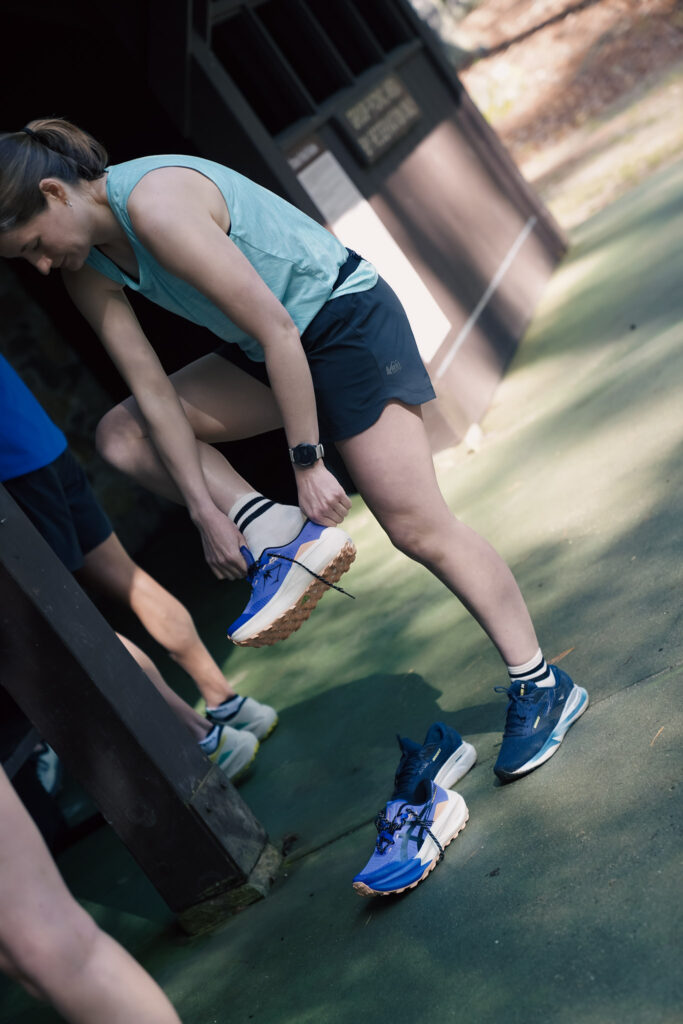
Before you even step foot on the trails, it’s crucial that you have the right tools and equipment to stay healthy, safe, and comfortable throughout your off-road runs.
The first step is finding the right pair of trail running shoes for you. Trail running shoes look different from standard road running shoes. They’re often stiffer, more reinforced around the upper, and have a more aggressive outsole with lugs designed for extra grip and traction.
The best trail shoes will keep you feeling stable as you trek across rocks, gravel, dirt, and other technical terrain. And just as with road shoes, there isn’t a single trail shoe that works for every runner.
Some options, like the Topo Ultraventure or Hoka Speedgoat, will offer a high stack of protective foam for maximum comfort. Others, like the Altra Lone Peak, are more geared towards helping you stay connected and close to the ground under your feet.
The best way to find the perfect running shoes for you – no matter the terrain – is to stop by your nearest Marathon Sports for a personalized fitting. Our team will use the Right Fit process to learn more about what shoes could work for you. We’ll talk through the terrain you’ll be running on, your personal running shoe preferences, injury history, and more to find the perfect shoe to carry you through offroad runs.
A good pair of shoes is the best starting point, but it isn’t the only gear you’ll need for trail running. If you’re planning on spending more time out on trails, you also want to make sure your fuel and nutrition plan is covered.
From handheld water bottles to belts to full hydration vests, there are lots of hydration pack options available to help you stay hydrated. And if you’re planning on spending long hours out on the trails, be sure to pack nutrition such as gels, bars, or energy chews.
Safety First
It can be easy to get lost or turned around on trails, especially if you’re exploring a new area. Luckily, there are a few tips and extra precautions you can use to stay safe when planning a trail run.
We always recommend checking the weather when planning a trail run to make sure you have everything you need to stay safe and comfortable. In cooler weather, this means plenty of layers and warm hats and gloves. When snow or ice is in the forecast, nano or microspikes can help you keep your footing. Make sure to still bring water, electrolytes, and fuel if you’re planning on a long run, even in colder weather.
In warm weather, opt for lightweight, moisture wicking apparel with UV protection. Accessories such as light hats and sunglasses will protect you even more, and water, electrolytes, and fuel are crucial in keeping you hydrated and energized.
Start with familiar local trails and always let friends and family members know where you’re heading. And while there is some fun in getting lost out on the trails, always look at a trail map or download navigation tools so you can easily find your way back.
Many Garmin watches also have safety features designed to help you safely navigate trails, complete with incident detection and live location tracking for maximum safety and security.
Start Small
With more and more ultramarathons making headlines, it can be tempting to go all-in and jump immediately to technical trails. But we also know this can be intimidating and discourage more trail running, which is why we suggest starting small.
If you have any favorite non-technical trails in your area, these can be a great place to start. Gravel roads, packed dirt paths, or flatter trails can introduce you to the idea of trail running without the steep elevation changes and slippery terrain that makes the sport so challenging.
As you find your footing and get used to the balance and coordination involved in trail running, you can start gradually working up to more technical trails. Set some goals for yourself along the way, such as completing a beginner-friendly trail race or just exploring a new trail in your area.
Think About Form
One of the biggest changes going from road running to trail running is in your running form. Road running is all about rhythmic, repetitive strides designed around efficiency, while trail running requires constant adaptation and focus to move through varied terrain.
As you maneuver around rocks and debris, you’ll likely find yourself taking faster, shorter steps. You have to be more focused on balance and stability and keep your eyes focused on the trail ahead of you to avoid tripping or sliding on loose dirt.
At first, you may find running on trails to be a bit of an adjustment for the body. You’re using different muscles than you do for road running, and there’s more of a focus on power and balance as opposed to the smooth efficiency of road running. This is especially true for steep uphills and downhills, which require even shorter strides and more balance.
One way to get accustomed to this change before trying more technical trails is with strength training. A focus on agility, core stability, and power will help prepare you for tackling uneven terrain, demanding uphills, and challenging descents. Try incorporating 2-3 strength training days into your running routine to prepare yourself for trail running’s demands on the body.
Focus on Effort, Not Pace
Sure, if you have a time goal for an upcoming trail race, you may need to consider pace in your trail workouts. When you’re starting out, however, focus on just getting outside and running instead of pace.
Trail running requires you to slow down as you maneuver through slippery ground or around rocks and roots. Adjust your time and pacing expectations for yourself, and instead of watching the clock, just enjoy the scenery and sense of accomplishment that comes with each ascent and descent.
One trick our trail runners at Marathon Sports stand by? Try running for time instead of distance. Set a timer for 30 minutes or however long you want to run for and just head out on the trail. Run for overall effort and time instead of thinking about how fast you’re moving.
And don’t be afraid to walk. Even the most experienced trail runners often incorporate some power hiking into their trail runs. There’s no shame in walking up hills or taking breaks as needed.
Trail running should be as fun as it is challenging, so don’t worry about sprinting up hills or breaking any records. Just enjoy the time outdoors and spend more time out on the trails and you’ll be achieving your trail running goals before you know it.
Don’t Go At It Alone
One of the best parts about trail running is the dedicated and supportive trail running community. So if you’re just diving into the trail running world, there are plenty of ways to connect with others and find people with similar goals and interests.
Marathon Sports is at the center of all things New England trail running. We support runners and hikers tackling the rugged New Hampshire landscape, scenic Massachusetts mountains, far-off thru-hikes, and everything in between.
And not only are our team members always happy to answer trail running questions, but you can even join us for an introduction to trail running on a Marathon Sports trail field trip.
On these trips, you can visit trails around New England, participate in a guided run, and demo new shoes and other trail products. All experience levels are welcome, making this a perfect low-stress opportunity to try out trail running and meet other athletes that share this interest.

One Step at a Time: Start Your Trail Running Journey
Trail running isn’t easy, but at Marathon Sports, we’ve found it to be one of the most rewarding ways to get outside and get some miles in. If you’re curious about running trails but aren’t sure where to start, we hope this complete guide to trail running gives you the resources you need to take the first step.
If you still have questions, need some trail recommendations, or are just feeling overwhelmed with getting started, just know you don’t have to do it alone. The New England trail community is vast and incredibly supportive, and our Marathon Sports trail runners are always happy to help.
And when you’re feeling ready to hit the trails, you can enjoy scenic views with less hassle at our 2nd trail field trip. Register today for the June 27th trip to Mount Watatic to meet other beginner trail runners, chat with experienced trail runners and hikers, demo Brooks products, and more. We can’t wait to hit the trails with you!